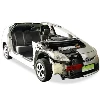
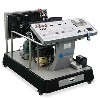
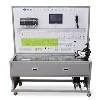
A gasoline engine system generally consists of two major mechanisms and five major systems. The two major mechanisms are the crank-connecting rod mechanism and the valve train. The five major systems include the starting system, ignition system, fuel supply system, cooling system, and lubrication system. The following section focuses on the 1.4TIS direct-injection gasoline engine. Our company manufactures gasoline engine training benches designed for automotive vocational training and assessment; please refer to the link for details.https://www.zcequipment.com/engines-trainer/petrol-engine-training-bench/gasoline-engine-training-platform.html
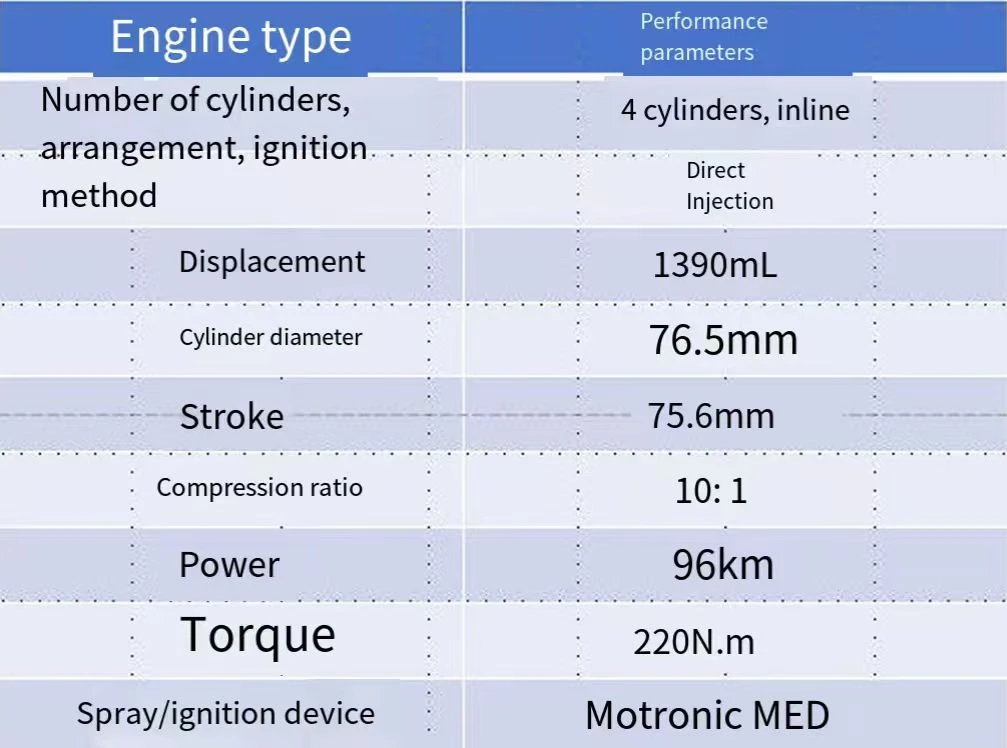
Basic specifications of the 1.4 TSI engine
Engine mechanical components


Dual-circuit cooling system: Coolant cools the cylinder head, cylinder block, and turbocharger, and also supplies heat to the heat exchanger.https://www.zcequipment.com/engines-trainer/petrol-engine-training-bench/gasoline-engine-training-platform.html
Turbocharging system: High-temperature, high-pressure exhaust gas from the engine spins the turbine wheel on the right → the shared shaft drives the compressor wheel on the left to rotate synchronously → the compressor compresses the intake air → the compressed, high-temperature air is sent to the intercooler to dissipate heat and cool down → the cooled, high-density air enters the cylinder for combustion.


Electronic control section
The engine electronic control system primarily consists of the fuel supply system, air supply system, ignition control system, electronic control system (comprising sensors, the ECU, and actuators), and the self-diagnosis system.