Industry Collaboration Enhances Automotive Education
Numerous cross-industry collaboration cases demonstrate the increasing significance of enterprise participation in automotive education and training. For example, the U.S.-based 'Ultimate Collision' repair center uses OEM-certified equipment to guarantee high-quality technician support. Likewise, many universities now collaborate with automakers or local businesses to provide scholarships, tool donations, and internship opportunities, substantially enhancing students' employability and industry preparedness.

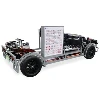
The automotive training equipment ordered by Ghana customers was successfully delivered
Integration of Smart Sensors and Machine Learning
The integration of embedded machine learning in automotive sensors has significantly enhanced vehicle systems' ability to detect and make intelligent decisions. These cutting-edge technologies are now increasingly incorporated into modern automotive training equipment, allowing students to experience real-time vehicle control logic and data interaction in simulated environments. Such advancements help bridge the gap between classroom learning and real-world automotive systems.
Smart Facilities Meet Evolving Industry Demands
With the accelerating shift toward intelligent and electric vehicles, technical education faces unprecedented challenges and opportunities. Educational institutions and companies worldwide are investing in advanced automotive training facilities equipped with AI and automation technologies. These smart training environments address the growing demand for multidisciplinary professionals with hybrid technical skills.
Bridging the Skills Gap in EV Maintenance
As electric vehicles (EVs) rapidly gain global popularity, the repair industry faces a growing shortage of qualified EV technicians. Both independent repair shops and vocational institutions struggle with a lack of technical expertise. In response, many universities are expanding their curricula beyond traditional combustion engines to include modules on electric systems, power electronics, and high-voltage safety-a critical shift in preparing the next generation of technicians.

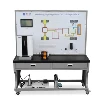
Automotive Electrical Training Equipment
Global Efforts to Advance Automotive Training
From Ghana launching its first national automotive training center to U.S. institutions building comprehensive training facilities for automotive, diesel, and aviation technicians, global efforts to strengthen vocational education are gaining momentum. Training systems incorporating CAN bus simulation and virtual diagnostics are becoming central to technical education. When combined with AI-assisted structural design platforms and hands-on simulation software, these technologies give students deeper insights into diagnostics and repair efficiency.