

Hey there! As a supplier of New Energy Automotive Trainers, I've been in the thick of the new energy automotive training scene for quite a while. I've seen firsthand how important it is for trainers to up their teaching game. So, I thought I'd share some of the best ways for New Energy Automotive Trainers to improve their teaching skills.
1. Stay Updated with the Latest Industry Trends
The new energy automotive industry is evolving at a breakneck pace. New technologies, like more efficient batteries and advanced autonomous driving features, are constantly emerging. Trainers need to keep their fingers on the pulse of these changes.
One way to do this is by subscribing to industry journals and attending conferences. Magazines like "New Energy Vehicle World" and "Electric Mobility Insights" are great resources. They're filled with the latest research, product launches, and market trends. Conferences, on the other hand, offer a chance to network with industry experts and learn about cutting - edge technologies directly from the horse's mouth.
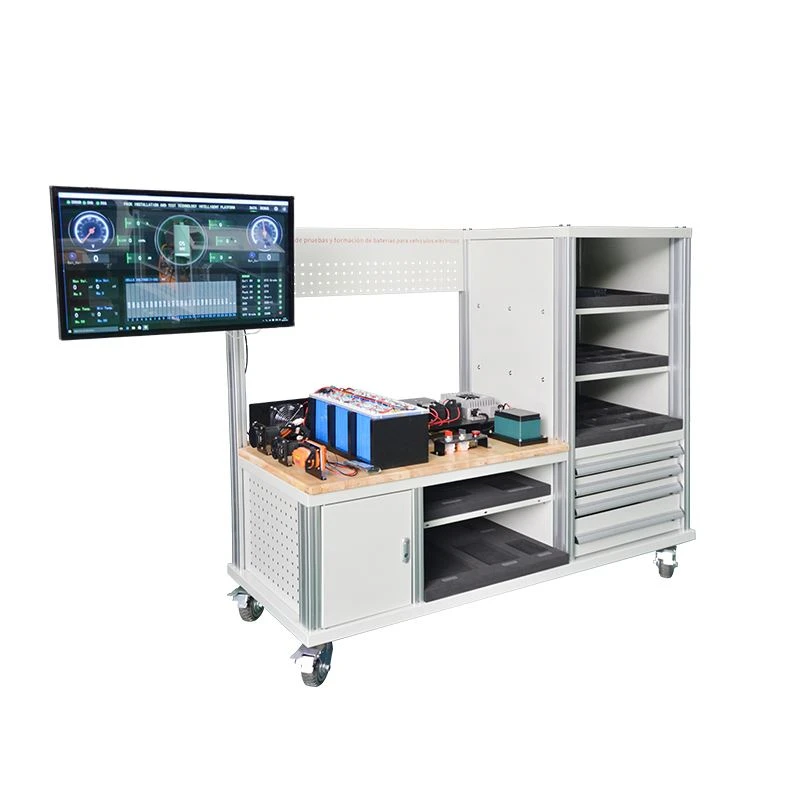
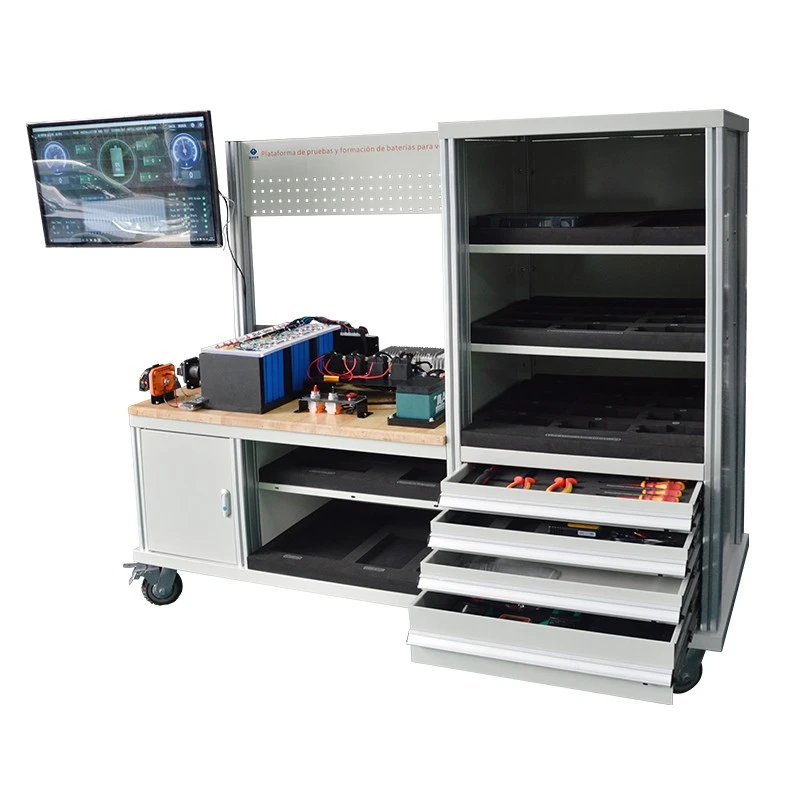
For example, I recently went to an electric vehicle conference where I learned about the latest developments in solid - state batteries. This knowledge is invaluable, and trainers can incorporate it into their courses to keep their students informed about the future of the industry. If you're looking for hands - on learning materials to go along with these trends, check out New Energy Car Training Equipment. It provides a great way to bring real - world scenarios into the classroom.
2. Use Interactive Teaching Methods
Gone are the days of boring, one - way lectures. Today's students expect more interactive and engaging learning experiences. Trainers can use a variety of methods to make their classes more interactive.
Simulations are a great option. They allow students to practice working on new energy vehicles in a safe and controlled environment. For instance, a simulation can mimic the process of diagnosing a battery management system fault. This hands - on experience helps students better understand the concepts and builds their confidence.
Group discussions are another effective method. Trainers can divide students into groups and assign them a problem to solve, such as how to improve the range of an electric vehicle. This encourages students to think critically, share ideas, and learn from each other.
Role - playing is also fun and educational. Trainers can set up scenarios where students act as technicians, customers, or engineers. This helps them develop communication and problem - solving skills in a real - world context. And if you want to enhance these interactive sessions, the Battery Management System Training Module can provide a practical platform for students to apply what they've learned.
3. Incorporate Real - World Case Studies
Real - world case studies are a goldmine for trainers. They bring the theory to life and show students how the concepts they're learning are applied in the industry.
Trainers can use case studies from well - known companies like Tesla, Nissan, or BYD. For example, they can analyze how Tesla's Supercharger network has revolutionized the electric vehicle charging infrastructure. Students can learn about the business model, the technology behind it, and the challenges faced during implementation.
Case studies can also be used to teach about safety. For instance, trainers can discuss a real - life accident involving a new energy vehicle and analyze how the safety features worked or failed. This helps students understand the importance of safety protocols and how to prevent similar incidents in the future.
By using real - world case studies, trainers can make their courses more relevant and engaging. And if you're interested in providing students with practical training based on these case studies, Electric Vehicle Training offers a comprehensive set of resources.
4. Get Feedback from Students
Feedback is a powerful tool for trainers. It helps them understand what's working and what needs improvement in their teaching.
Trainers should regularly ask for feedback from their students. This can be done through surveys, in - class discussions, or one - on - one meetings. Surveys are a quick and easy way to collect a large amount of feedback. Trainers can ask questions about the clarity of the lectures, the usefulness of the teaching materials, and the effectiveness of the interactive activities.
In - class discussions allow students to share their thoughts openly. Trainers can encourage students to be honest and provide suggestions for improvement. One - on - one meetings are more personal and can be used to address individual concerns or provide additional support.
Once trainers receive the feedback, they should take it seriously and make the necessary changes. For example, if students say that the lectures are too theoretical, trainers can add more practical examples or hands - on activities.
5. Develop Soft Skills
In addition to technical knowledge, trainers also need to have good soft skills. These skills help them communicate effectively with students, manage the classroom, and build positive relationships.
Communication skills are crucial. Trainers need to be able to explain complex technical concepts in a simple and easy - to - understand way. They should also be good listeners, so they can understand the students' questions and concerns.
Classroom management skills are also important. Trainers need to keep the class on track, ensure that all students are participating, and handle any disciplinary issues that may arise.
Interpersonal skills are essential for building a positive learning environment. Trainers should be approachable, friendly, and supportive. They can use humor and positive reinforcement to motivate students and make the learning experience more enjoyable.
6. Collaborate with Industry Partners
Collaborating with industry partners is a great way for trainers to enhance their teaching skills. Industry partners can provide access to the latest technologies, real - world expertise, and job opportunities for students.
Trainers can partner with new energy vehicle manufacturers, charging station providers, or battery companies. For example, they can arrange for industry experts to give guest lectures in their classes. These experts can share their experiences, insights, and the latest industry trends.
Partnerships can also involve internships or apprenticeships for students. This gives students the opportunity to gain practical experience in the industry and make connections. Trainers can use these partnerships to update their curriculum based on the industry's needs and requirements.
7. Continuous Professional Development
The learning never stops for trainers. They should engage in continuous professional development to stay ahead of the curve.
This can involve taking online courses, attending workshops, or earning certifications. Online courses are convenient and offer a wide range of topics, from the latest battery technologies to teaching methodologies. Workshops provide hands - on learning experiences and a chance to network with other trainers.
Certifications, such as those in electric vehicle maintenance or battery management, can enhance a trainer's credibility and open up new career opportunities. They also show students that the trainer is committed to professional growth and staying up - to - date with the industry.
Conclusion
Improving teaching skills is an ongoing process for New Energy Automotive Trainers. By staying updated with industry trends, using interactive teaching methods, incorporating real - world case studies, getting feedback from students, developing soft skills, collaborating with industry partners, and engaging in continuous professional development, trainers can provide high - quality education to their students.
If you're interested in enhancing your training programs with top - notch New Energy Automotive Trainers and related equipment, we're here to help. Whether you're a training institution or an individual looking to upgrade your teaching resources, let's start a conversation about how we can meet your needs. Reach out to us, and let's explore the possibilities together.
References
- "New Energy Vehicle World" magazine
- "Electric Mobility Insights" magazine
- Industry conferences and events
- Online resources and courses on new energy automotive technology and teaching methodologies


