

As a supplier of Diesel Engines Trainers, I've had the privilege of working closely with trainers and trainees in the industry. One topic that always stands out as crucial is fuel storage and handling procedures. In this blog, I'll share the key points that a trainer should emphasize when teaching these important skills.
Why Fuel Storage and Handling Matters
First off, let's talk about why fuel storage and handling are such a big deal. Diesel fuel is a vital component for diesel engines, but it can also be a safety hazard if not managed properly. Poor fuel storage can lead to contamination, which can cause engine damage and performance issues. Additionally, improper handling can result in spills, fires, and environmental damage. So, ensuring that trainees understand the correct procedures is not just about protecting the equipment; it's also about protecting people and the environment.
Fuel Storage Procedures
Selecting the Right Storage Tank
The first step in proper fuel storage is choosing the right tank. The tank should be made of a material that is resistant to corrosion and damage, such as steel or fiberglass. It should also be the appropriate size for the amount of fuel that needs to be stored, and it should be installed on a stable, level surface.
Maintaining Optimal Storage Conditions
Once the tank is installed, it's important to maintain optimal storage conditions. This includes keeping the tank clean and free of debris, as well as monitoring the temperature and humidity levels. Diesel fuel should be stored at a temperature between 60°F and 80°F, and the humidity should be kept below 60%. Additionally, the tank should be properly ventilated to prevent the buildup of harmful gases.
Preventing Contamination
Contamination is one of the biggest challenges in fuel storage. Diesel fuel can be contaminated by water, dirt, and other debris, which can cause engine problems. To prevent contamination, it's important to use a fuel filter and a water separator, and to regularly inspect the tank for signs of damage or corrosion. Additionally, the fuel should be stored in a sealed container to prevent the entry of moisture and other contaminants.
Fuel Handling Procedures
Safe Transfer of Fuel
When it comes to transferring fuel, safety should always be the top priority. Trainees should be taught to use proper equipment, such as a fuel pump and a hose, and to follow all safety procedures. This includes wearing appropriate protective gear, such as gloves and goggles, and avoiding contact with the fuel. Additionally, the transfer area should be well-ventilated, and any spills should be cleaned up immediately.
Handling of Spills and Leaks
Despite our best efforts, spills and leaks can still occur. In the event of a spill or leak, trainees should be taught to follow a specific protocol. This includes stopping the flow of fuel, containing the spill, and cleaning it up using absorbent materials. Additionally, any damaged equipment should be repaired or replaced immediately to prevent further spills and leaks.
Proper Disposal of Used Fuel and Filters
Finally, it's important to teach trainees about the proper disposal of used fuel and filters. Used fuel should never be dumped down the drain or into the environment, as it can cause serious pollution. Instead, it should be collected and disposed of in accordance with local regulations. Similarly, used filters should be properly drained and disposed of to prevent contamination.

Importance of Training
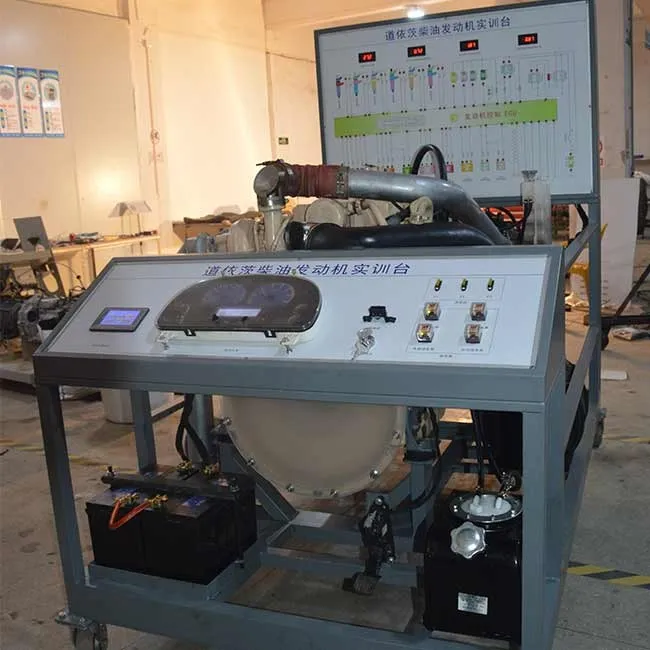
Proper training is essential for ensuring that trainees understand and follow the correct fuel storage and handling procedures. As a Diesel Engines Trainer supplier, I offer a range of training platforms that can help trainers teach these important skills. For example, the Deutz Diesel Engine Training Platform BF6M2012-18E3 provides hands-on training on diesel engine operation and maintenance, including fuel storage and handling. The Automotive Educational Systems Schools Training Equipment is another great option for schools and training institutions, as it offers a comprehensive curriculum on automotive technology. And the Common Rail Direct Injection Diesel Engine Trainer is specifically designed to teach trainees about the latest diesel engine technology, including fuel injection systems.
Conclusion
In conclusion, fuel storage and handling are critical aspects of diesel engine operation and maintenance. By emphasizing the importance of proper procedures, trainers can help their trainees avoid costly engine damage, safety hazards, and environmental problems. As a Diesel Engines Trainer supplier, I'm committed to providing high-quality training platforms and equipment that can help trainers teach these important skills. If you're interested in learning more about our products and services, or if you have any questions about fuel storage and handling procedures, please don't hesitate to contact us for a procurement discussion.
References
- ASTM International. (2023). Standard Practices for Storage and Handling of Liquid Fuels.
- National Fire Protection Association. (2023). NFPA 30: Flammable and Combustible Liquids Code.
- Society of Automotive Engineers. (2023). SAE Recommended Practices for Fuel System Design and Testing.


