

Hey there! As a supplier of Brake System Trainers, I often get asked about the lifespan of these nifty pieces of equipment. It's a valid question, especially if you're looking to invest in one for your training facility or educational institution. So, let's dive right in and explore what affects the lifespan of a Brake System Trainer and how you can make the most of it.
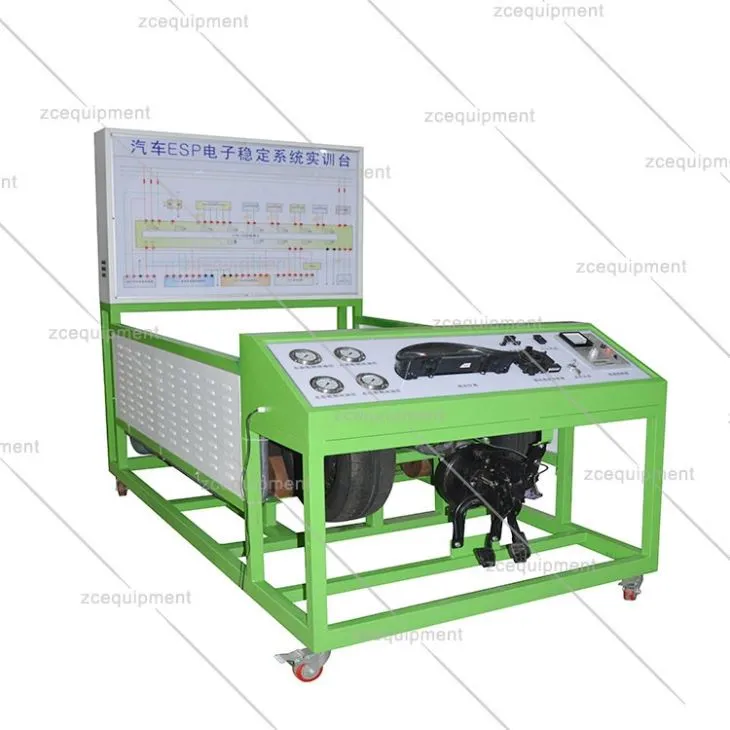
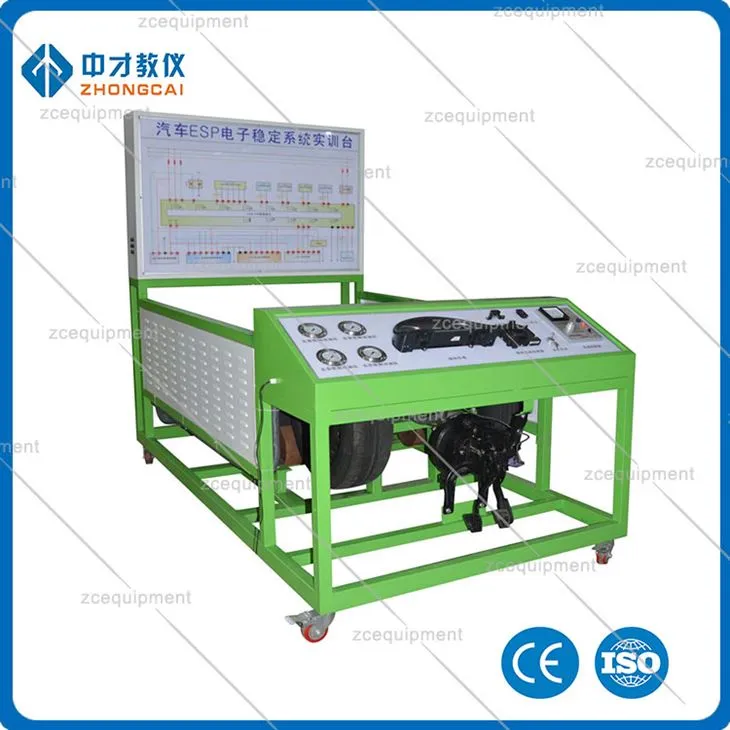
First off, what exactly is a Brake System Trainer? Well, it's a specialized piece of equipment designed to teach students and professionals about the inner workings of a vehicle's brake system. It typically includes components like brake lines, calipers, master cylinders, and sometimes even electronic control units. These trainers come in various types, such as Trailer Type Air Brake System Training Equipment, Automobile Laboratory Equipment Electronic Stability System ESP Training Bench, and Trailer Air Brake Training Equipment.
Now, let's talk about the factors that can influence the lifespan of a Brake System Trainer.
Quality of Components
One of the most significant factors is the quality of the components used in the trainer. Higher-quality parts are generally more durable and less likely to fail prematurely. For example, a master cylinder made from high-grade materials will be more resistant to wear and corrosion than one made from cheaper materials. When we manufacture our Brake System Trainers, we always use top-of-the-line components to ensure long-lasting performance.
Frequency of Use
How often the trainer is used also plays a crucial role. If it's being used several times a day in a busy training environment, it's going to experience more wear and tear than one that's only used occasionally. Just like a car, the more you drive it, the more maintenance it will need. However, if you follow a regular maintenance schedule, you can still extend the lifespan of a frequently used trainer.
Maintenance and Care
Proper maintenance and care are essential for any piece of equipment, and Brake System Trainers are no exception. Regularly checking for leaks, loose connections, and signs of wear can help you catch potential problems before they turn into major issues. Cleaning the components regularly and lubricating moving parts can also prevent premature wear. We always provide our customers with detailed maintenance instructions to ensure they get the most out of their trainers.
Environmental Conditions
The environment in which the trainer is stored and used can also affect its lifespan. Exposure to extreme temperatures, humidity, and dust can all take a toll on the components. For example, if the trainer is stored in a damp basement, the metal parts may rust more quickly. It's important to store the trainer in a clean, dry, and temperature-controlled environment whenever possible.
Technological Advancements
As technology advances, the design and functionality of Brake System Trainers also improve. Older trainers may become obsolete more quickly as new features and capabilities are introduced. However, this doesn't mean that an older trainer is completely useless. It can still be a valuable teaching tool, but you may need to supplement it with newer equipment to keep up with the latest industry standards.
So, what's the average lifespan of a Brake System Trainer? Well, it's hard to give a precise answer because it depends on all the factors mentioned above. However, with proper maintenance and care, a high-quality Brake System Trainer can last anywhere from 10 to 20 years. That's a long time to get your money's worth!
To maximize the lifespan of your Brake System Trainer, here are some tips:
- Follow the maintenance schedule: Stick to the recommended maintenance intervals and procedures provided by the manufacturer.
- Train your staff: Make sure your instructors and students know how to use the trainer properly and handle it with care.
- Invest in quality: Choose a trainer made from high-quality components and backed by a reputable manufacturer.
- Keep it clean: Regularly clean the trainer to prevent dirt and debris from accumulating.
- Store it properly: Store the trainer in a suitable environment to protect it from the elements.
In conclusion, the lifespan of a Brake System Trainer can vary depending on several factors, but with the right approach, you can ensure it serves you well for many years. If you're in the market for a Brake System Trainer, we'd love to help you find the right one for your needs. Our team of experts can provide you with more information about our products and answer any questions you may have.
Whether you're looking for a Trailer Type Air Brake System Training Equipment, Automobile Laboratory Equipment Electronic Stability System ESP Training Bench, or Trailer Air Brake Training Equipment, we've got you covered. Contact us today to start the conversation about your training equipment needs. We're here to make sure you get the best value for your investment.
References
- Automotive Training Equipment Manufacturers Association (ATEEMA). (n.d.). Best Practices for Maintaining Automotive Training Equipment.
- Society of Automotive Engineers (SAE). (n.d.). Standards for Brake System Components.


