

As a supplier of Auto Ignition System Trainers, I understand the importance of a comprehensive user manual. A well - crafted user manual serves as a guide for users, whether they are students, technicians, or educators, to understand, operate, and maintain the equipment effectively. Here's a detailed look at the information typically included in the user manual of an Auto Ignition System Trainer.
Introduction
The manual usually begins with an introduction that provides an overview of the Auto Ignition System Trainer. It explains the purpose of the equipment, which is to simulate and demonstrate the operation of various ignition systems in automotive engines. This helps users understand the context in which the trainer will be used. For example, it might mention that the trainer is designed to help students learn about ignition system principles, fault diagnosis, and repair techniques.
The introduction also often includes a brief history of ignition systems in the automotive industry. This gives users a broader perspective on how ignition systems have evolved over time and why the trainer is relevant in modern automotive education and training. It could touch on the transition from traditional points - type ignition systems to more advanced electronic ignition systems.
Product Overview
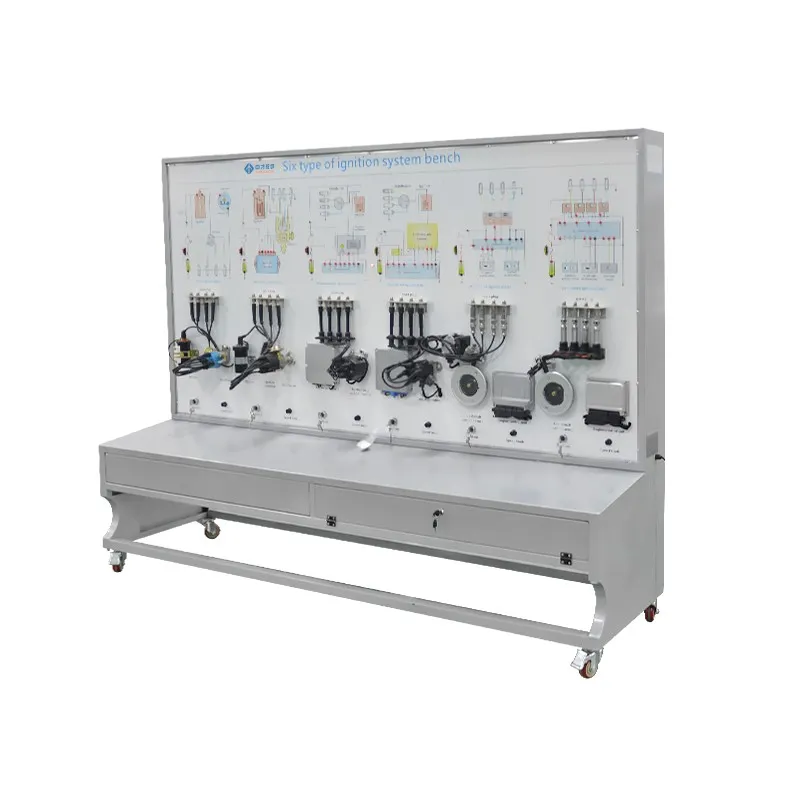
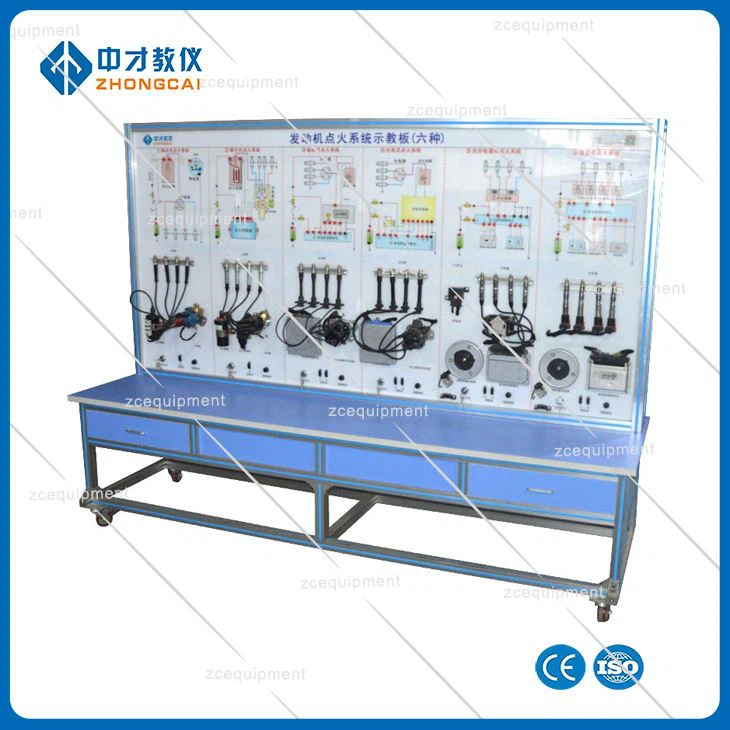
This section provides a detailed description of the Auto Ignition System Trainer itself. It lists the components of the trainer, such as ignition coils, spark plugs, distributors (if applicable), control modules, and sensors. Each component is described in terms of its function within the ignition system. For instance, the ignition coil is explained as a device that steps up the low - voltage battery power to the high - voltage required to create a spark at the spark plug.
The manual also includes a physical layout diagram of the trainer. This diagram shows the location of each component on the trainer, making it easier for users to identify and access them. It might also indicate the connections between different components, such as the wiring harnesses that link the ignition coil to the distributor and the spark plugs.
Technical Specifications
Technical specifications are a crucial part of the user manual. They provide detailed information about the electrical and mechanical characteristics of the Auto Ignition System Trainer. This includes the input voltage requirements, which are typically specified in volts (e.g., 12V DC for most automotive applications). The output voltage of the ignition coil is also stated, as this is important for understanding the spark energy available at the spark plug.
Other technical details might include the frequency of the ignition pulses, the resistance values of various components, and the operating temperature range of the trainer. These specifications are essential for proper installation, operation, and troubleshooting of the equipment. For example, if the input voltage is not within the specified range, the trainer may not function correctly or could even be damaged.
Installation Instructions
The installation instructions section guides users through the process of setting up the Auto Ignition System Trainer. It starts with a list of the tools required for installation, such as screwdrivers, wrenches, and wire strippers. Then, it provides a step - by - step procedure for mounting the trainer on a suitable surface, which could be a workbench or a training stand.
The manual also details how to connect the trainer to a power source. This includes instructions on properly wiring the power cord to the trainer and ensuring that the polarity is correct. Additionally, it explains how to connect any external devices, such as a diagnostic scanner or a power supply unit, if required.
Operation Guide
This is one of the most important sections of the user manual. It provides detailed instructions on how to operate the Auto Ignition System Trainer. It starts with the basic startup procedure, which might involve turning on the power switch, setting the ignition timing (if adjustable), and checking the status indicators.
The manual then explains how to perform different types of tests and demonstrations using the trainer. For example, it might show how to simulate a misfire condition by interrupting the ignition signal to one of the spark plugs. It also details how to adjust the ignition timing to observe its effect on engine performance.
There are also instructions on how to use the trainer in a training environment. This could include guidelines on conducting group demonstrations, individual hands - on exercises, and assessment activities. For educators, it might provide suggestions on how to integrate the trainer into a curriculum.
Troubleshooting
The troubleshooting section is designed to help users identify and resolve common problems that may occur with the Auto Ignition System Trainer. It starts with a list of symptoms, such as no spark at the spark plugs, weak spark, or erratic ignition timing. For each symptom, the manual provides a step - by - step diagnostic procedure.
This might involve checking the power supply, inspecting the wiring connections for loose or damaged wires, and testing the components using a multimeter or other diagnostic tools. The manual also includes a troubleshooting flowchart that guides users through the diagnostic process in a logical manner.
Maintenance and Care
Proper maintenance and care are essential for the long - term performance and reliability of the Auto Ignition System Trainer. This section provides guidelines on how to clean the trainer, which might involve using a soft, dry cloth to wipe the components and removing any dust or debris.
It also details the recommended maintenance schedule for different components. For example, the ignition coil may need to be inspected periodically for signs of overheating or insulation breakdown. The spark plugs may need to be replaced after a certain number of hours of operation or based on their wear condition.
Safety Precautions
Safety is of utmost importance when using the Auto Ignition System Trainer. The manual includes a comprehensive list of safety precautions that users must follow. This includes warnings about the high - voltage electricity present in the ignition system, which can cause electric shock.
It also provides guidelines on proper grounding of the trainer to prevent electrical hazards. Additionally, it warns against operating the trainer in wet or damp conditions and advises users to wear appropriate personal protective equipment, such as insulated gloves and safety glasses.
Accessories and Optional Equipment
This section lists any accessories and optional equipment that are available for the Auto Ignition System Trainer. For example, it might mention additional sensors that can be added to the trainer to simulate more complex ignition system scenarios. It could also include software upgrades that can enhance the functionality of the trainer.
Some of the related products that can be used in conjunction with the Auto Ignition System Trainer are Automotive Six Ignition Systems Equipment, Ignition Training and Teaching Board, and Engine Ignition System Training Board Panel. These products can expand the capabilities of the trainer and provide a more comprehensive learning experience.
Conclusion
In conclusion, the user manual of an Auto Ignition System Trainer is a valuable resource that provides all the necessary information for users to understand, operate, and maintain the equipment. Whether you are a student learning about automotive ignition systems for the first time or a professional technician looking to enhance your skills, the manual is an essential guide.
If you are interested in purchasing an Auto Ignition System Trainer or have any questions about our products, we encourage you to contact us for a detailed discussion. Our team of experts is ready to assist you in finding the right solution for your training and educational needs.
References
- Automotive Ignition Systems: Principles and Diagnosis, Author: XYZ
- Modern Automotive Technology, Publisher: ABC


