

In the dynamic and ever - evolving field of automotive and industrial engineering, engine efficiency stands as a cornerstone of success. As the demand for more sustainable, cost - effective, and high - performing engines grows, the role of an Engine Performance Trainer becomes increasingly vital. I am a supplier of Engine Performance Trainers, and through this blog, I aim to explore how our trainers can significantly improve engine efficiency.
Understanding Engine Efficiency
Before delving into how Engine Performance Trainers can enhance efficiency, it's crucial to understand what engine efficiency means. Engine efficiency is a measure of how well an engine converts the potential energy in fuel into useful mechanical work. There are several factors that can affect engine efficiency, including combustion process, heat management, friction, and the overall design of the engine components.
A more efficient engine consumes less fuel, produces fewer emissions, and has better power output. These benefits are not only advantageous for the end - users in terms of cost savings but also contribute to a greener and more sustainable environment.

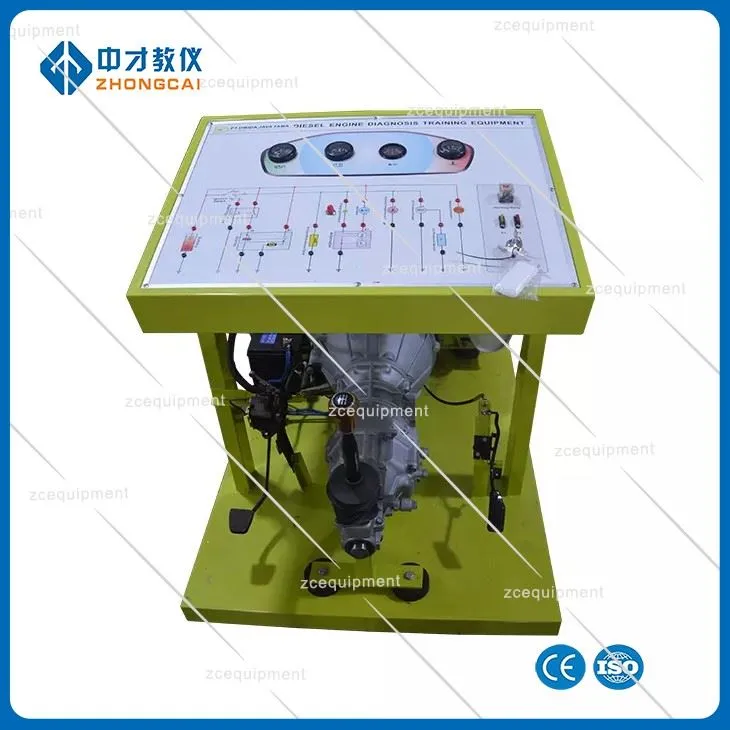
Role of Engine Performance Trainers in Improving Combustion
One of the primary ways Engine Performance Trainers can enhance engine efficiency is by optimizing the combustion process. Our trainers are equipped with advanced sensors and control systems that allow trainees to analyze and adjust various parameters related to combustion.
For example, they can teach trainees how to precisely control the air - fuel ratio. A proper air - fuel ratio is essential for complete combustion. If there is too much fuel or too little air, the combustion will be incomplete, leading to wasted fuel and increased emissions. Engine Performance Trainers simulate real - world scenarios where operators can experiment with different air - fuel ratios and observe the effects on combustion efficiency.
In addition, the trainers can help in understanding the ignition timing. Correct ignition timing ensures that the fuel in the combustion chamber ignites at the right moment, maximizing the release of energy. By training operators on how to adjust ignition timing based on engine load and speed, we can significantly improve the power output and fuel efficiency of the engine.
Our CRDI Diesel Engine Power Train System is a prime example of a training tool that focuses on improving combustion efficiency. It provides a hands - on learning experience for trainees to understand the working of a common - rail direct injection diesel engine, which is known for its better fuel atomization and combustion characteristics.
Heat Management and Engine Efficiency
Another critical aspect of engine efficiency is heat management. Engines generate a vast amount of heat during operation, and if this heat is not managed properly, it can lead to a decrease in efficiency. Engine Performance Trainers can teach operators how to optimize the cooling system of an engine.
They can demonstrate the importance of maintaining the right coolant temperature. If the engine runs too hot, it can cause pre - ignition, engine knocking, and damage to engine components. On the other hand, if the engine runs too cold, the combustion process will be less efficient. Our trainers allow trainees to monitor and adjust the coolant flow rate, radiator performance, and thermostat settings to ensure the engine operates at the optimal temperature.
The Diesel Fuel Supply System Training Board also plays a role in heat management. It helps trainees understand how the fuel injection system can be affected by temperature variations and how to keep the fuel at the right temperature for efficient combustion.
Reducing Friction in the Engine
Friction is a major enemy of engine efficiency. It consumes energy that could otherwise be used to power the vehicle or equipment. Engine Performance Trainers can train technicians on how to reduce friction within the engine.
They teach about the proper selection and use of lubricants. Different engine components require different types of lubricants with specific viscosity and additives. By using the right lubricant, the friction between moving parts can be significantly reduced. Our trainers also provide insights into the importance of maintaining proper lubricant levels and changing the lubricant at the recommended intervals.
In addition, the trainers can introduce the concept of engine component design to minimize friction. For example, they can teach about the benefits of using smooth - surfaced engine parts and the proper alignment of components to reduce contact and friction forces.
Training for Engine Operation and Maintenance
Proper engine operation and maintenance are key to achieving and maintaining high engine efficiency. Engine Performance Trainers offer comprehensive training programs that cover both operating procedures and maintenance schedules.
During the training on engine operation, operators learn how to start, operate, and shut down the engine in the most efficient way. They are taught about the importance of warm - up periods, avoiding sudden acceleration or deceleration, and using the engine within its optimal load range. This type of training not only improves efficiency but also extends the lifespan of the engine.
In terms of maintenance, trainees learn how to perform regular inspections, change filters, and conduct diagnostic tests. Early detection of problems such as worn - out gaskets, leaks, or faulty sensors can prevent major breakdowns and ensure that the engine continues to operate at peak efficiency. Our Diesel Engine Training Bench Working Engine Models offer a realistic platform for trainees to practice these maintenance tasks.
Impact on Different Types of Engines
Our Engine Performance Trainers are versatile and can be applied to various types of engines, including gasoline, diesel, and even hybrid engines.
In gasoline engines, the trainers focus on improving throttle response, ignition control, and fuel injection precision. These improvements lead to better fuel economy and increased power output.
For diesel engines, the emphasis is on optimizing the high - pressure fuel injection system, exhaust gas recirculation (EGR) system, and turbocharging. The training helps in reducing diesel particulate matter emissions and improving fuel efficiency, which is crucial in meeting strict environmental regulations.
In hybrid engines, the trainers teach about the integration of the internal combustion engine with the electric motor. Trainees learn how to manage the power flow between the two power sources to maximize overall system efficiency.
Long - term Benefits of Using Engine Performance Trainers
Investing in engine performance training using our trainers offers several long - term benefits. First, it leads to significant cost savings for the end - users. By improving engine efficiency, less fuel is consumed, resulting in lower operating costs. Moreover, the reduced wear and tear on engine components due to proper operation and maintenance mean fewer repair and replacement costs.
Second, it enhances the performance and reliability of the engines. Well - trained operators are more likely to detect and address issues early, preventing major breakdowns and ensuring that the engines operate smoothly.
Third, it contributes to environmental sustainability. More efficient engines produce fewer emissions, which helps in reducing the carbon footprint and meeting environmental standards.
Contact for Purchase and Consultation
If you are interested in improving the efficiency of your engines through high - quality training, we are here to help. Our Engine Performance Trainers are designed to provide an immersive and effective learning experience. Whether you are an automotive manufacturer, a vocational training institution, or an industrial enterprise, our trainers can be customized to meet your specific needs.
Don't hesitate to contact us for more information on our products, training programs, and how we can assist you in achieving higher engine efficiency.
References
- Crolla, D. A. (2011). Vehicle Dynamics: Theory and Application. CRC Press.
- Heywood, J. B. (1988). Internal Combustion Engine Fundamentals. McGraw - Hill.
- Taylor, C. F. (1966). The Internal - Combustion Engine in Theory and Practice. MIT Press.


