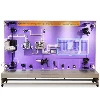
The basic structure of automotive air conditioning systems varies little across different vehicle models; they typically consist of four subsystems: the refrigeration system, heating system, ventilation system, and control system. Working together, these four subsystems enable the regulation of the air inside the vehicle,As shown in Figure 1.Air Conditioning System Training Bench
People feel comfortable within specific ranges of ambient temperature and atmospheric humidity, and the primary purpose of an air conditioning system is to achieve this level of comfort. Cabin comfort depends on factors such as air temperature, humidity, airflow velocity, and air cleanliness.
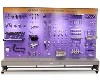
The air conditioning system delivers treated air into the vehicle cabin in a controlled manner, maintaining the interior environment within specific parameters to meet the comfort needs of occupants; this encompasses functions such as temperature regulation, dehumidification, and ventilation (air purification).As shown in Figure 2.https://www.zcequipment.com/air-conditioners-trainer/air-conditioning-educational-training.html


Figure 1 Figure 2
Refrigeration system:
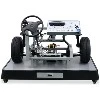
The refrigeration system primarily consists of a compressor, condenser, receiver-drier, expansion valve, and evaporator; these components are interconnected by specialized rubber hoses and metal lines to form a closed refrigeration cycle.As shown in Figure 3.
Operating Principle: To understand the operating principle of a refrigeration system, one must first grasp the process the refrigerant undergoes within the circulation system: compression, condensation, expansion, and evaporation.As shown in Figure 4.
https://www.zcequipment.com/air-conditioners-trainer/air-conditioning-educational-training.html


Figure 3 Figure 4
Heating Systems:
While the structure of heating systems varies slightly across different vehicle models, they can be categorized based on their heat source into waste-heat systems and independent heat-source systems.
Waste-heat heating systems: These systems utilize waste heat-derived from either engine coolant or exhaust gases-as the heat source; using engine coolant is the most common method found in passenger cars.
Independent heat-source heating systems: These systems feature a dedicated combustion unit that generates significant heat through fuel combustion to warm the vehicle interior; this type is commonly used in buses and trucks.As shown in Figure 5.Automatic Air Conditioning System Training Bench
Composition: The heating system utilizes waste heat from the engine coolant; essentially, it involves installing a radiator in parallel within the cooling system. It primarily consists of an outlet pipe, a hot water valve, a heater core, and a return pipe. Notably, the hot water valve has been eliminated in many passenger cars, while the heater core is installed beneath the dashboard inside the cabin. Consequently, the structure of the heating system in passenger cars is very simple.As shown in Figure 6.Air conditioning system
Operating Principle: Coolant, heated by the engine during operation, is circulated to the heater core by the water pump. The fins of the heater core absorb the heat; a blower then forces air through these fins, and the warmed air enters the passenger cabin, meeting the heating requirements of the climate control system.As shown in Figure 7.
https://www.zcequipment.com/air-conditioners-trainer/air-conditioning-educational-training.html

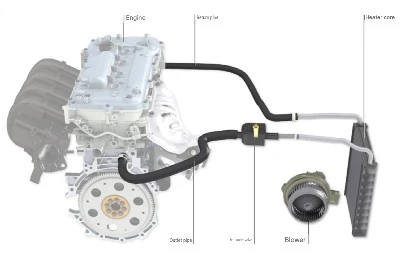

Figure 5 Figure 6 Figure 7