

In the realm of automotive engineering education and training, Hybrid Cutaway Engine Models have emerged as invaluable tools. As a leading supplier of these models, I am often asked about their heat dissipation performance. This blog post aims to delve into the intricacies of the heat dissipation capabilities of Hybrid Cutaway Engine Models, exploring the factors that influence it and its significance in educational and training settings.
Understanding Hybrid Cutaway Engine Models
Before we dive into heat dissipation, let's briefly understand what Hybrid Cutaway Engine Models are. These models are detailed, cut - away representations of hybrid engines that allow students, technicians, and enthusiasts to visualize the internal components and their interactions. They are designed to provide a hands - on learning experience, enabling users to study the engine's structure, operation, and various systems.
There are different types of hybrid cutaway engine models available on the market, such as the Engine Cutaway Model, Hybrid LPI Engine Simulator, and Hybrid Engine Cutaway Model. Each model has its unique features and is tailored to specific educational needs.
Heat Generation in Hybrid Cutaway Engine Models
Hybrid engines, whether in real - world vehicles or cutaway models, generate heat during operation. The primary sources of heat in a hybrid engine include combustion processes, electrical components, and friction between moving parts.
In a hybrid engine, the internal combustion engine (ICE) generates heat through the burning of fuel. During the combustion cycle, the chemical energy of the fuel is converted into mechanical energy, and a significant amount of heat is released as a by - product. Additionally, the electrical components in a hybrid system, such as the battery, electric motor, and power electronics, also produce heat when they are in use. The battery generates heat during charging and discharging cycles, while the electric motor and power electronics generate heat due to electrical resistance.
Friction between moving parts, such as pistons, bearings, and gears, also contributes to heat generation. As these parts move against each other, mechanical energy is converted into heat energy.
Importance of Heat Dissipation
Effective heat dissipation is crucial for the proper functioning and longevity of Hybrid Cutaway Engine Models. Excessive heat can have several negative effects on the model.
Firstly, high temperatures can cause damage to the internal components of the model. For example, the plastic or metal parts may warp or melt if exposed to extreme heat for an extended period. This can lead to inaccurate representation of the engine's structure and affect the learning experience.
Secondly, heat can affect the performance of electrical components. High temperatures can reduce the efficiency of the battery, electric motor, and power electronics, leading to inaccurate simulation of the hybrid engine's operation. In some cases, overheating can even cause electrical failures, rendering the model inoperable.
Finally, proper heat dissipation is essential for safety reasons. If the model overheats, there is a risk of fire or other hazards, which can pose a danger to users.
Factors Affecting Heat Dissipation Performance
Several factors influence the heat dissipation performance of Hybrid Cutaway Engine Models.
Material Selection
The materials used in the construction of the model play a significant role in heat dissipation. Metals, such as aluminum and copper, are good conductors of heat and can effectively transfer heat away from the source. These materials are often used in the construction of heat sinks and other heat - dissipating components in the model.
On the other hand, plastics and other insulating materials have low thermal conductivity and can impede heat transfer. However, they are also used in the model for their lightweight and cost - effective properties. The design of the model needs to balance the use of conductive and insulating materials to optimize heat dissipation.
Design of the Model
The design of the Hybrid Cutaway Engine Model also affects its heat dissipation performance. A well - designed model will have proper ventilation channels and heat - dissipating structures. For example, the model may be designed with fins or heat sinks to increase the surface area available for heat transfer. These fins and heat sinks allow the heat to be dissipated more efficiently into the surrounding air.
The layout of the internal components also matters. Components that generate a large amount of heat should be placed in areas where they can be easily cooled. For example, the battery and power electronics may be placed near the ventilation channels to ensure proper airflow and cooling.
Cooling Systems
Some Hybrid Cutaway Engine Models are equipped with active cooling systems, such as fans or liquid cooling systems. Fans can be used to increase the airflow around the model, helping to carry away the heat. Liquid cooling systems, on the other hand, use a coolant to absorb heat from the components and transfer it to a radiator, where it is dissipated into the air.
The effectiveness of these cooling systems depends on their design and capacity. A well - designed cooling system can significantly improve the heat dissipation performance of the model.
Measuring Heat Dissipation Performance
To evaluate the heat dissipation performance of a Hybrid Cutaway Engine Model, several methods can be used.
One common method is to measure the temperature of the internal components using thermocouples or infrared thermometers. By monitoring the temperature at different points in the model during operation, we can determine how effectively the heat is being dissipated.
Another method is to measure the power consumption of the model. If the heat dissipation is ineffective, the model may consume more power to maintain its operation, as the components may have to work harder due to the high temperatures.
Improving Heat Dissipation Performance
Based on the factors affecting heat dissipation performance, there are several ways to improve it.
Firstly, we can optimize the material selection and design of the model. Using more conductive materials and improving the layout of the components can enhance heat transfer. Additionally, we can increase the surface area available for heat dissipation by adding fins or heat sinks to the model.
Secondly, we can upgrade the cooling systems. This may involve using more powerful fans or more efficient liquid cooling systems. Regular maintenance of the cooling systems, such as cleaning the fans and checking the coolant level, is also essential to ensure their proper functioning.
Our Company's Approach to Heat Dissipation
As a supplier of Hybrid Cutaway Engine Models, we take heat dissipation performance very seriously. We use high - quality materials in the construction of our models, with a focus on materials that have good thermal conductivity. Our design team carefully considers the layout of the components to ensure proper ventilation and heat transfer.
We also offer models with advanced cooling systems. Our fans are designed to provide sufficient airflow, and our liquid cooling systems are engineered to be efficient and reliable. We conduct rigorous testing on our models to ensure that they meet the highest standards of heat dissipation performance.
Conclusion
In conclusion, the heat dissipation performance of Hybrid Cutaway Engine Models is a critical aspect that affects their functionality, longevity, and safety. Effective heat dissipation is essential to prevent damage to the internal components, ensure accurate simulation of the hybrid engine's operation, and maintain a safe learning environment.
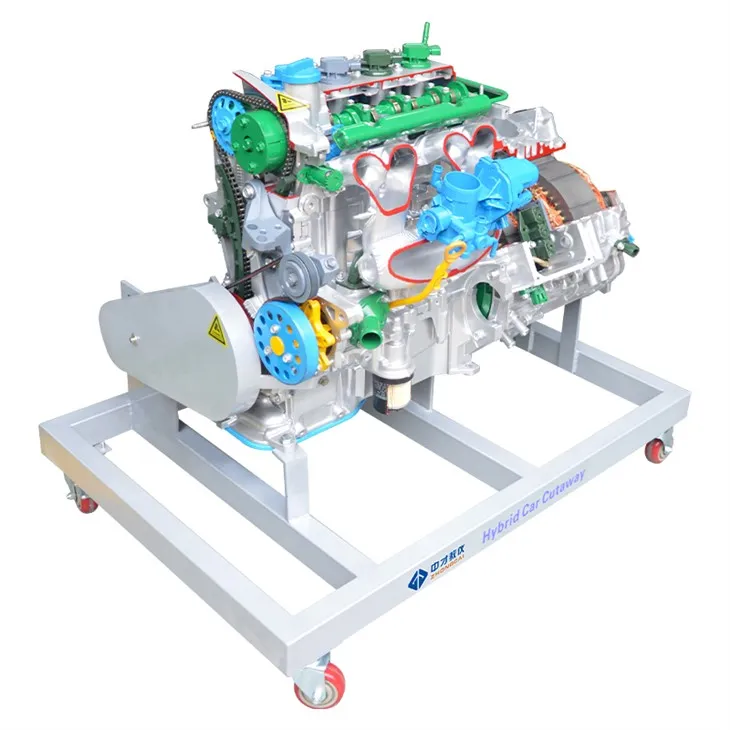

As a leading supplier of these models, we are committed to providing high - quality products with excellent heat dissipation performance. Our models are designed and manufactured using the latest technologies and best practices to ensure optimal heat transfer and cooling.
If you are interested in purchasing Hybrid Cutaway Engine Models for educational or training purposes, we invite you to contact us for further discussion. Our team of experts will be happy to assist you in selecting the right model for your needs and answering any questions you may have.
References
- Automotive Engineering Handbook, various editions.
- Textbooks on Hybrid Vehicle Technology.
- Research papers on heat transfer and thermal management in automotive engines.


