

As an engines trainer supplier, I've witnessed firsthand the challenges that engine trainers face when it comes to managing training costs. In today's competitive market, finding effective strategies to reduce these costs without compromising the quality of training is crucial. In this blog post, I'll share some practical strategies that engine trainers can implement to achieve this goal.
1. Optimize Training Resources
One of the most effective ways to reduce training costs is to optimize the use of training resources. This includes both physical resources, such as training equipment and facilities, and human resources, such as instructors and support staff.
- Equipment Sharing: Instead of purchasing multiple sets of training equipment, consider sharing equipment between different training programs or institutions. This can significantly reduce the initial investment and ongoing maintenance costs. For example, if you have a Diesel Engine Anatomy Display Stand that is only used for a few hours each week, you could share it with other trainers in your area.
- Virtual Training: With the advancement of technology, virtual training has become an increasingly popular option. Virtual training allows trainees to learn at their own pace and in their own time, without the need for expensive physical training facilities. You can use virtual reality (VR) or augmented reality (AR) to create immersive training experiences that simulate real-world scenarios. This not only reduces costs but also improves the effectiveness of training.
- Instructor Training: Invest in training your instructors to be more efficient and effective. A well-trained instructor can deliver high-quality training in less time, which can reduce the overall training costs. Provide your instructors with the latest training techniques and tools, and encourage them to share their knowledge and experience with each other.
2. Streamline Training Processes
Another important strategy for reducing training costs is to streamline the training processes. This involves eliminating unnecessary steps and procedures, and automating repetitive tasks.
- Training Needs Analysis: Conduct a thorough training needs analysis to identify the specific skills and knowledge that your trainees need. This will help you to design training programs that are targeted and relevant, and avoid wasting time and resources on training that is not needed.
- Learning Management System (LMS): Implement a learning management system to automate the training process. An LMS can be used to manage training courses, track trainee progress, and generate reports. This can save time and reduce administrative costs.
- Blended Learning: Combine different training methods, such as online learning, classroom training, and on-the-job training, to create a blended learning approach. This can provide trainees with a more flexible and engaging learning experience, while also reducing costs.
3. Negotiate with Suppliers
As an engines trainer supplier, I understand the importance of building strong relationships with suppliers. By negotiating with your suppliers, you can often get better prices and terms, which can help to reduce your training costs.
- Volume Discounts: If you purchase a large quantity of training equipment or supplies, ask your supplier for a volume discount. This can significantly reduce the cost per unit.
- Long-Term Contracts: Consider signing a long-term contract with your supplier. This can provide you with more stability and predictability in terms of pricing and supply, and may also result in additional discounts.
- Value-Added Services: Look for suppliers who offer value-added services, such as free training, maintenance, or technical support. These services can help to reduce your overall training costs and improve the quality of your training programs.
4. Leverage Partnerships
Partnering with other organizations can be a great way to reduce training costs. By sharing resources and expertise, you can achieve economies of scale and provide your trainees with a more comprehensive training experience.
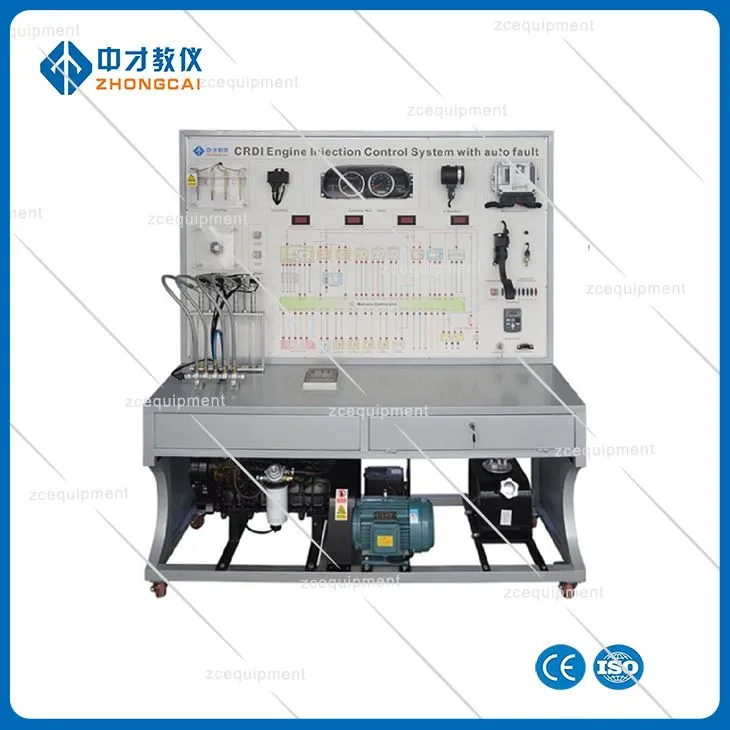

- Industry Partnerships: Partner with other companies in your industry to share training resources and facilities. This can include sharing training equipment, instructors, or training courses. You can also collaborate on research and development projects to improve the quality of your training programs.
- Educational Institutions: Partner with local educational institutions, such as colleges and universities, to provide training programs. This can help you to access a larger pool of trainees and leverage the institution's resources and expertise. You can also offer internships or apprenticeships to students, which can provide them with valuable hands-on experience and help you to recruit new talent.
- Government Agencies: Look for opportunities to partner with government agencies to access funding or other resources for your training programs. Many government agencies offer grants or subsidies for training programs that are designed to meet specific workforce development needs.
5. Monitor and Evaluate Training Costs
Finally, it's important to monitor and evaluate your training costs on an ongoing basis. This will help you to identify areas where you can make further improvements and ensure that you are getting the most value for your money.
- Cost Tracking: Keep detailed records of all your training costs, including equipment purchases, instructor salaries, and training materials. This will help you to track your spending and identify areas where you can reduce costs.
- Return on Investment (ROI) Analysis: Conduct a ROI analysis to determine the effectiveness of your training programs. This will help you to justify your training investments and make informed decisions about future training initiatives.
- Continuous Improvement: Use the data and feedback from your cost tracking and ROI analysis to make continuous improvements to your training programs. Look for ways to reduce costs while maintaining or improving the quality of your training.
In conclusion, reducing training costs is a challenge that all engine trainers face. However, by implementing the strategies outlined in this blog post, you can achieve significant cost savings without compromising the quality of your training programs. If you're interested in learning more about our engines trainer products, such as the Automotive ABS Trainer And Bracking System or the Automotive Crdi Engine Injection Control System Trainer, please feel free to contact us to discuss your specific needs and explore potential partnerships. We're committed to helping you provide high-quality training at a reasonable cost.
References
- [Author's Last Name, First Initial. (Year). Title of Book. Publisher.]
- [Author's Last Name, First Initial. (Year). Title of Article. Journal Name, Volume(Issue), Page Numbers.]


