

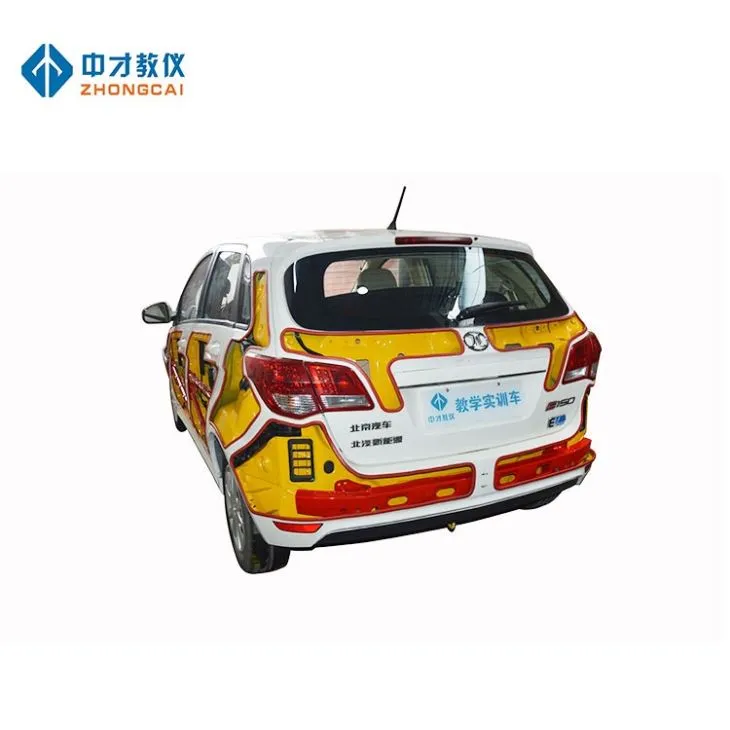
In the realm of automotive education, Dissection Training Cars have emerged as invaluable tools for hands - on learning. As a leading supplier of Dissection Training Cars, I understand the importance of keeping these educational assets up - to - date with the latest software. In this blog, we will explore the various software updates available for Dissection Training Cars, highlighting their significance and the benefits they bring to automotive training institutions.
The Role of Software in Dissection Training Cars
Dissection Training Cars are not just static models; they are dynamic educational platforms that rely on software to enhance the learning experience. Software in these cars can simulate real - world scenarios, provide detailed diagnostic information, and offer interactive tutorials. It bridges the gap between theoretical knowledge and practical application, allowing students to gain a deeper understanding of automotive systems.
Types of Software Updates
Diagnostic Software Updates
One of the most crucial software updates for Dissection Training Cars is the diagnostic software. Modern vehicles are equipped with complex electronic control units (ECUs) that manage various functions such as engine performance, transmission, and safety systems. Diagnostic software allows students to access and interpret the data stored in these ECUs.
With regular updates, the diagnostic software can keep pace with the latest automotive technologies. For example, new hybrid and electric vehicle systems require specialized diagnostic procedures. An updated diagnostic software can provide students with the necessary tools to troubleshoot issues in these advanced systems. It can also offer real - time feedback on the health of different components, enabling students to practice their diagnostic skills in a realistic environment.
You can find more information about our Automotive Training System automotive training stands, which are integrated with the latest diagnostic software to provide a comprehensive training experience.
Simulation Software Updates
Simulation software is another essential component of Dissection Training Cars. It allows students to simulate different driving conditions, system malfunctions, and repair scenarios without the need for a real vehicle. This type of software provides a safe and cost - effective way for students to practice their skills.
Software updates for simulation programs can introduce new scenarios and improve the accuracy of the simulations. For instance, an updated simulation software can mimic the behavior of autonomous driving systems, which are becoming increasingly prevalent in the automotive industry. Students can learn how to interact with these systems, understand their limitations, and troubleshoot potential issues.
Our Car cutaway model automotive training models are designed to work in conjunction with the simulation software, providing a hands - on learning experience that is both engaging and educational.

Educational Content Updates
In addition to diagnostic and simulation software, educational content updates are also available for Dissection Training Cars. These updates can include new tutorials, videos, and interactive lessons that cover the latest automotive technologies and repair techniques.
For example, as new emission control systems are introduced, educational content can provide in - depth explanations of how these systems work and how to maintain them. This ensures that students are well - informed about the latest industry standards and regulations.
The Sectional Educational Model Of A Heat Engine in our Dissection Training Cars is accompanied by updated educational content, which helps students understand the principles of thermodynamics and engine operation.
Benefits of Software Updates
Enhanced Learning Experience
Software updates significantly enhance the learning experience for students. By providing access to the latest technologies and diagnostic tools, students can gain practical skills that are relevant to the current automotive industry. They can practice troubleshooting real - world problems in a controlled environment, which prepares them for their future careers as automotive technicians.
Cost - Effectiveness
Updating the software in Dissection Training Cars is a cost - effective alternative to purchasing new training equipment. Instead of investing in new models every few years, institutions can simply update the existing software to keep their training cars up - to - date. This not only saves money but also reduces waste.
Industry Relevance
The automotive industry is constantly evolving, with new technologies and regulations being introduced regularly. Software updates ensure that Dissection Training Cars remain relevant to the industry's needs. Students who are trained on up - to - date equipment are more likely to be hired by employers, as they have the skills and knowledge required to work on modern vehicles.
How to Implement Software Updates
Implementing software updates for Dissection Training Cars is a straightforward process. Most of our training cars are equipped with wireless connectivity, which allows for over - the - air (OTA) updates. This means that institutions can easily update the software without the need for manual intervention.
Our technical support team is also available to assist institutions with the update process. We provide detailed instructions and offer remote support to ensure that the updates are installed correctly and that the training cars continue to function smoothly.
Conclusion
As a supplier of Dissection Training Cars, I am committed to providing the latest software updates to our customers. These updates play a crucial role in enhancing the learning experience, ensuring cost - effectiveness, and maintaining industry relevance.
If you are an automotive training institution looking to upgrade your training equipment or are interested in learning more about our software update services, we invite you to get in touch with us. Our team of experts is ready to answer your questions and help you find the best solutions for your training needs.
References
- Automotive Industry Standards and Regulations, National Highway Traffic Safety Administration (NHTSA)
- Advances in Automotive Diagnostic Technologies, Society of Automotive Engineers (SAE)
- Simulation - Based Learning in Automotive Education, Journal of Automotive Education


