

Installing a gasoline engine trainer requires careful attention to various factors to ensure optimal performance, safety, and efficiency. As a reputable supplier of gasoline engine trainers, we understand the importance of providing clear guidelines for installation. In this blog post, we'll delve into the crucial installation requirements for a gasoline engine trainer.
1. Location and Space
The first step in installing a gasoline engine trainer is selecting an appropriate location. The space should be well - ventilated to prevent the accumulation of exhaust fumes. Since gasoline engines emit carbon monoxide and other harmful gases during operation, a poorly ventilated area can pose serious health risks. A location with natural ventilation, such as a room with large windows or an area near an open door, is ideal. If natural ventilation is insufficient, mechanical ventilation systems can be installed.
In terms of space, the area should be large enough to accommodate the trainer and allow for easy access around it. There should be at least a few feet of clearance on all sides of the trainer to facilitate maintenance and operations. Consider the size of the trainer you are installing. Some models, like our Gasoline Engine Trainer (EFI) Stand With Wiring Panel, may have specific space requirements due to their wiring panels and additional components.
2. Electrical Requirements
Gasoline engine trainers often have electrical components such as sensors, control units, and lighting. Therefore, a stable and appropriate electrical supply is essential. First, check the voltage and frequency requirements of the trainer. These details are usually specified in the product manual. Make sure the electrical outlet in the installation area matches these requirements.
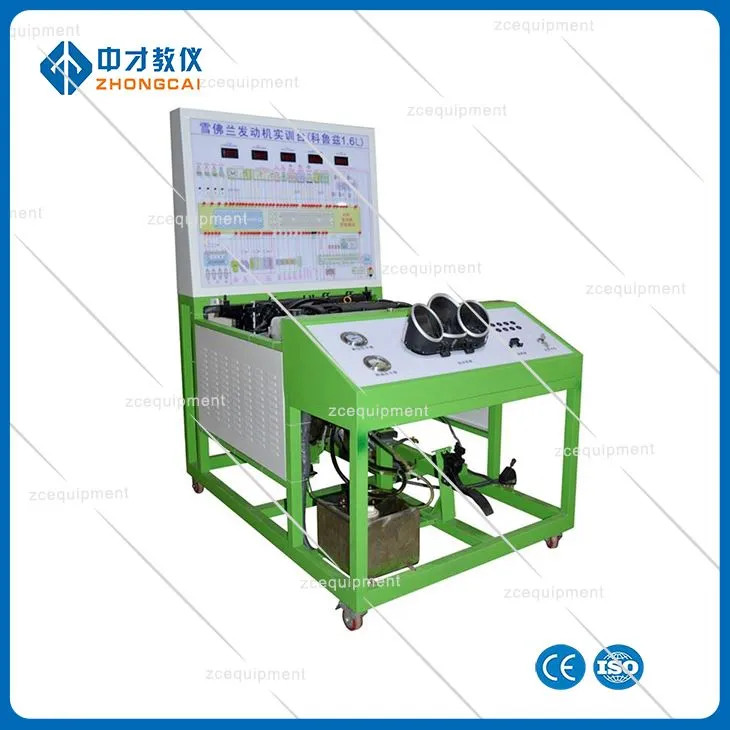

It is also important to use proper grounding. A grounded electrical system can prevent electrical shocks and protect the equipment from electrical surges. Always follow local electrical codes and regulations when installing electrical connections. If you are unsure about the electrical installation, it is recommended to consult a qualified electrician.
3. Fuel Storage and Supply
For gasoline engine trainers, a reliable fuel supply is necessary. When storing gasoline, strict safety measures must be followed. Gasoline should be stored in approved fuel containers, away from open flames, heat sources, and direct sunlight. The storage area should be well - ventilated to prevent the build - up of flammable vapors.
The fuel supply system of the trainer should be properly installed. The fuel lines should be leak - free and made of materials that are compatible with gasoline. Regularly inspect the fuel lines for any signs of wear or damage. Our Gasoline & Diesel Engine Platform has a well - designed fuel supply system, but proper installation is key to its smooth operation.
4. Foundation and Mounting
A stable foundation is crucial for the proper functioning of the gasoline engine trainer. The trainer should be mounted on a flat, level surface. Uneven surfaces can cause vibrations and instability during operation, which may lead to premature wear and tear of the equipment.
Depending on the model and size of the trainer, different mounting methods may be required. Some trainers may need to be bolted down to the floor to prevent movement. Make sure to follow the manufacturer's instructions regarding mounting. For example, our Automotive Training Lab Equipment For School Technical comes with specific mounting guidelines to ensure its stability in a school or training environment.
5. Exhaust System Installation
The exhaust system is an important part of a gasoline engine trainer. It is responsible for removing the exhaust gases produced during engine operation. The exhaust system should be properly installed to ensure efficient exhaust gas removal and to minimize noise.
The exhaust pipe should be connected securely to the engine and routed to the outside of the building. The exhaust pipe should be made of heat - resistant materials to withstand the high temperatures of the exhaust gases. Additionally, a muffler can be installed to reduce the noise generated by the engine.
6. Control and Monitoring Systems
Many modern gasoline engine trainers come with control and monitoring systems. These systems allow users to control the engine's operation parameters and monitor its performance. During installation, these systems should be correctly connected to the engine and other components.
The wiring for the control and monitoring systems should be neatly organized and protected from damage. Make sure all the sensors and actuators are properly connected and calibrated. This will ensure accurate readings and reliable control of the engine.
7. Safety Features
Safety is of utmost importance when installing a gasoline engine trainer. The trainer should be equipped with safety features such as emergency stop buttons, over - temperature protection, and fuel cutoff valves. These safety features should be tested during installation to ensure they are functioning properly.
Operators should also be provided with safety training before using the trainer. This includes instructions on how to operate the equipment safely, how to respond to emergencies, and how to maintain the equipment.
8. Initial Testing and Commissioning
After the installation is complete, it is necessary to conduct initial testing and commissioning. Start by checking all the connections, including electrical, fuel, and exhaust connections, to ensure they are tight and secure. Then, perform a dry run of the engine without fuel to check the operation of the control system.
Next, introduce fuel and start the engine. Monitor the engine's performance, including its speed, temperature, and exhaust emissions. Make any necessary adjustments to the engine's settings based on the test results.
Conclusion
Installing a gasoline engine trainer is a complex process that requires careful planning and attention to detail. By following the installation requirements outlined above, you can ensure the safe and efficient operation of the trainer. As a leading supplier of gasoline engine trainers, we are committed to providing high - quality products and reliable support. If you have any questions about the installation of our products or are interested in purchasing a gasoline engine trainer, please feel free to contact us for further discussion and procurement negotiation.
References
- Automotive Engine Training Manuals
- Local Electrical and Safety Codes
- Manufacturer's Installation Guides for Gasoline Engine Trainers


