

Hey there! As a supplier of Engine Cutaway Models, I've been in the thick of the industry for quite some time. One question that often pops up is how engine cutaway models stack up against 3D engine simulations. Let's dive right in and explore the ins and outs of both.
First off, let's talk about engine cutaway models. These are physical, tangible representations of an engine. They're like a window into the inner workings of a complex machine. You can actually touch them, feel the different parts, and get a real - world sense of how everything fits together.
One of the biggest advantages of engine cutaway models is the hands - on experience they offer. For students in automotive or engineering programs, being able to physically manipulate a model can really drive home the concepts. You can see how the pistons move, how the valves open and close, and how the various components interact. It's a lot more engaging than just looking at a 2D diagram or a digital simulation.
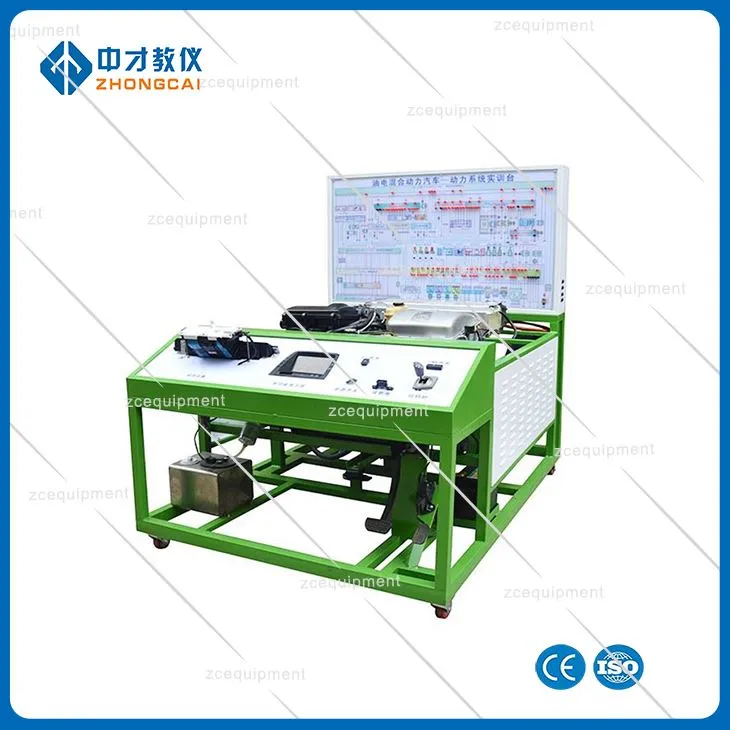
Take our Hybrid Cutaway Engine Display Stand, for example. It's designed to showcase the hybrid engine in a clear and accessible way. The stand allows for easy viewing from different angles, and the cutaway design exposes the internal components. This makes it perfect for educational institutions or training centers where students can gather around and learn in a group setting.
Another great thing about engine cutaway models is their durability. Once you have a quality cutaway model, it can last for years. It doesn't rely on software updates, doesn't crash, and there's no need to worry about compatibility issues with different devices. It's a reliable teaching tool that you can count on.
Our Hybrid Engine Cutaway Model is a prime example of this. Made from high - quality materials, it's built to withstand the rigors of regular use. Whether it's in a busy classroom or a professional training facility, this model will keep performing.

Now, let's turn our attention to 3D engine simulations. These are digital representations of engines that can be viewed on a computer, tablet, or other digital devices. They offer a high level of interactivity and flexibility.
One of the main benefits of 3D engine simulations is the ability to visualize the engine in a virtual environment. You can zoom in on specific parts, rotate the engine, and even simulate different operating conditions. This can be really useful for understanding complex processes that are difficult to see in a physical model.
For instance, you can simulate the flow of fuel and air through the engine, or the movement of electrical currents in a hybrid system. This level of detail can provide a deeper understanding of how the engine works on a technical level.
However, 3D engine simulations also have their drawbacks. They rely on technology, which means there can be technical issues. Software glitches, slow performance, and compatibility problems can all get in the way of a smooth learning experience. And let's not forget about the cost. High - quality 3D simulation software can be expensive, and there may also be ongoing subscription fees.
In comparison, engine cutaway models offer a more cost - effective solution. You make a one - time investment, and you have a teaching tool that can be used for a long time without any additional costs.
Let's take a look at our Cutaway Model Hybrid Car TOYOTA Prius. It provides a detailed look at the hybrid engine used in the popular Toyota Prius. This real - life model gives students a better understanding of the actual components and how they work together in a real - world application.
When it comes to accuracy, both engine cutaway models and 3D simulations have their strengths. Engine cutaway models are based on the actual physical design of the engine. They provide an accurate representation of the size, shape, and placement of the components.
On the other hand, 3D simulations can be programmed to show the exact behavior of the engine under different conditions. They can take into account factors like temperature, pressure, and fluid dynamics, which can be difficult to replicate in a physical model.
In terms of portability, engine cutaway models are a bit more limited. They're physical objects, so you need to have a place to store them and transport them. But if you have a dedicated classroom or training area, this isn't usually a big issue.
3D simulations, on the other hand, can be accessed from anywhere as long as you have a compatible device and an internet connection. This makes them great for remote learning or on - the - go training.
So, which one is better? Well, it really depends on your specific needs. If you're looking for a hands - on, tactile learning experience that's reliable and cost - effective, engine cutaway models are a great choice. They're perfect for group learning, and they provide a real - world connection to the technology.
If you need a high - level of interactivity, detailed technical simulations, and the ability to access the learning material from anywhere, 3D engine simulations might be more suitable.
At the end of the day, many institutions and training centers find that a combination of both is the best approach. Using engine cutaway models for hands - on training and 3D simulations for in - depth technical analysis can provide a well - rounded learning experience.
If you're interested in purchasing engine cutaway models for your educational institution, training center, or professional development program, I'd love to have a chat with you. We can discuss your specific needs, and I can help you find the perfect models for your situation. Just reach out, and we can start the conversation about how our engine cutaway models can enhance your learning environment.
References
- Industry reports on automotive education tools
- Case studies from educational institutions using engine cutaway models and 3D simulations


