

In recent years, the new energy automotive industry has witnessed exponential growth globally, driven by environmental concerns, technological advancements, and government policies promoting sustainable transportation. As this sector continues to expand, the demand for skilled new energy automotive trainers has soared. This prompts an interesting question: Can new energy automotive trainers teach in overseas training centers? As a supplier of new energy automotive trainers, I'd like to delve into this topic and explore the possibilities and challenges.
The Global Demand for New Energy Automotive Training
The shift towards new energy vehicles (NEVs), including electric vehicles (EVs) and hybrid cars, is a global phenomenon. Countries around the world are setting ambitious targets to reduce carbon emissions and promote the adoption of clean energy transportation. For instance, the European Union aims to have at least 30 million zero - emission vehicles on its roads by 2030. China, the world's largest automotive market, has also been aggressively promoting the development and use of NEVs.
With this rapid growth in the new energy automotive market, there is a pressing need for well - trained technicians and engineers. Overseas training centers play a crucial role in meeting this demand by providing specialized education and hands - on training. These centers require experienced trainers who are well - versed in the latest new energy automotive technologies, including battery management systems, electric drivetrains, and charging infrastructure.
Advantages of New Energy Automotive Trainers Teaching Overseas
Rich Industry Experience
As a supplier of new energy automotive trainers, we understand that our trainers possess in - depth knowledge and practical experience in the field. They are familiar with a wide range of new energy vehicle models and technologies, having worked with various training equipment. For example, our trainers have hands - on experience with Six Sets Of New Energy Vehicle Training Equipment, which allows them to teach students about different aspects of new energy vehicle systems, such as battery charging, motor control, and energy management.
Adaptability to Different Training Environments
New energy automotive trainers are often adaptable individuals. They are used to working with diverse groups of students and can adjust their teaching methods according to the needs of different training centers. Whether it's a technical college in Europe or a vocational training institute in Asia, trainers can modify their curriculum and teaching styles to ensure effective learning.
Global Perspective
Teaching overseas provides trainers with a global perspective on the new energy automotive industry. They can learn about different market trends, regulatory requirements, and technological developments in various countries. This knowledge can then be shared with students in other training centers, enriching the overall learning experience.
Challenges Faced by New Energy Automotive Trainers Teaching Overseas
Cultural and Language Barriers
One of the most significant challenges is dealing with cultural and language differences. Trainers may encounter difficulties in communicating effectively with students from different cultural backgrounds. For example, teaching styles and learning expectations can vary greatly between countries. In some cultures, students may be more passive in the classroom, while in others, they may be more vocal and participatory.
Regulatory and Technical Differences
Each country has its own set of regulations and standards for new energy vehicles. Trainers need to be aware of these differences and ensure that their teaching content complies with local requirements. For instance, the charging standards and safety regulations for EVs in the United States may differ from those in Japan.
Logistics and Administrative Issues
Teaching overseas also involves logistical and administrative challenges. Trainers need to deal with visa applications, travel arrangements, and accommodation. Additionally, they may need to adjust to different time zones, which can affect their work - life balance.
Overcoming the Challenges
Cultural and Language Training
To address cultural and language barriers, training centers can provide cultural awareness training for trainers before they embark on their overseas assignments. Language courses can also be offered to help trainers communicate more effectively with students.
Continuous Learning and Adaptation
Trainers should engage in continuous learning to stay updated on the latest regulatory and technical requirements in different countries. They can participate in international conferences and workshops to network with industry experts and learn about global best practices.
Support from the Supplier
As a supplier of new energy automotive trainers, we can offer support in terms of logistics and administrative matters. We can assist trainers with visa applications, travel arrangements, and provide them with the necessary resources and materials for their teaching.
The Role of Training Equipment in Overseas Teaching
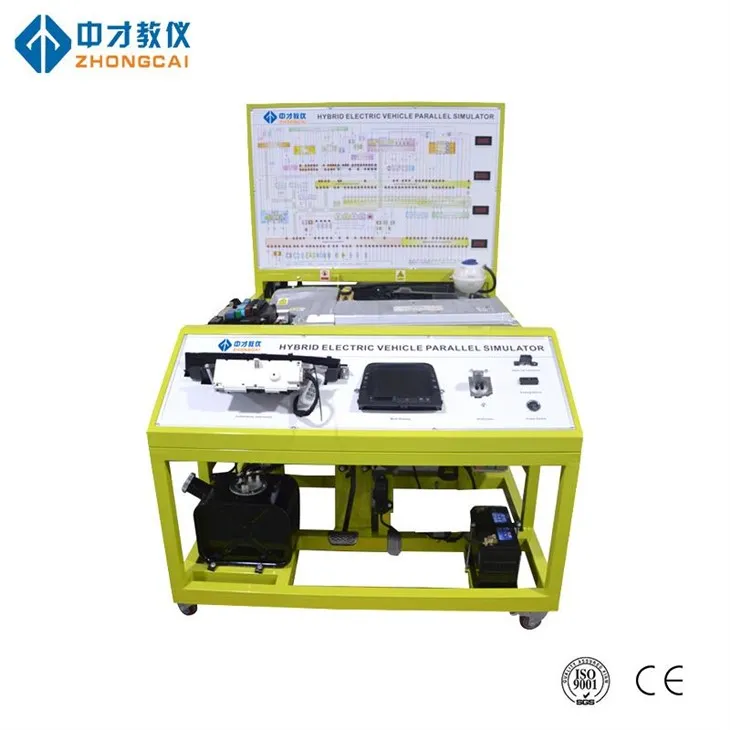
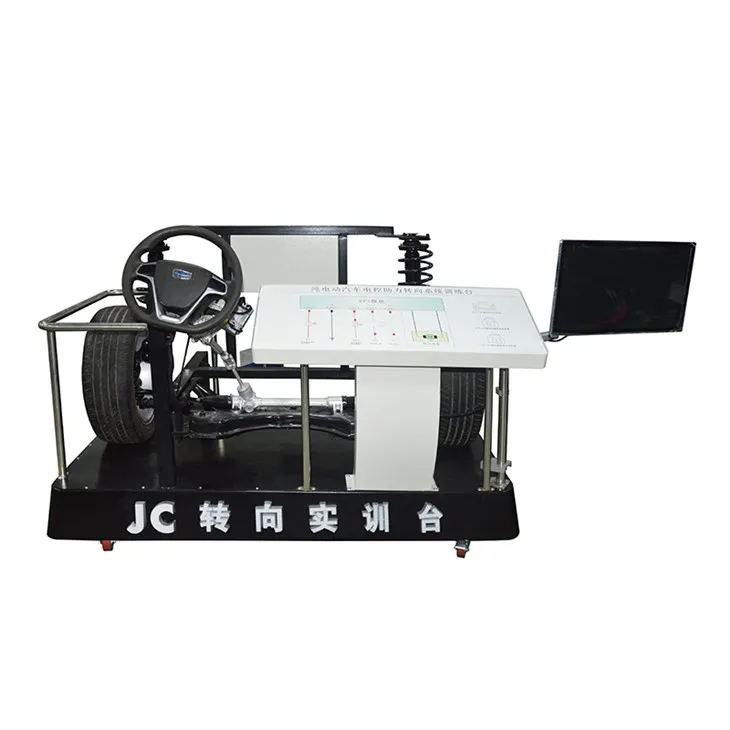
High - quality training equipment is essential for effective teaching in overseas training centers. Our New Energy Car Training Equipment is designed to simulate real - world scenarios and provide students with hands - on experience. This equipment can be used by trainers to demonstrate various new energy vehicle technologies, such as electric motor operation, battery charging, and energy regeneration.
The Hybrid Car Training Model is another valuable tool for trainers. It allows students to understand the working principles of hybrid vehicles, including the interaction between the internal combustion engine and the electric motor.
Conclusion
In conclusion, new energy automotive trainers can definitely teach in overseas training centers. Despite the challenges, the advantages far outweigh them. The global demand for skilled new energy automotive technicians is high, and overseas training centers need experienced trainers to meet this demand. With the right support, training, and high - quality training equipment, trainers can effectively teach students in different countries and contribute to the development of the new energy automotive industry worldwide.
If you are interested in our new energy automotive trainers or training equipment, we welcome you to contact us for further discussion and potential procurement. We are committed to providing the best solutions for your training needs.
References
- International Energy Agency. (2023). Global EV Outlook.
- European Commission. (2023). EU Strategy for Sustainable and Smart Mobility.
- China Association of Automobile Manufacturers. (2023). New Energy Vehicle Industry Development Report.


