

In the dynamic world of automotive engineering, the quest for high - performance, efficient, and innovative engines continues to drive the industry forward. One of the exciting developments in this space is the hybrid cutaway engine. As a leading supplier of hybrid cutaway engines, I often get asked whether these engines can be used in sports cars. In this blog, we'll explore this question in detail, examining the technical aspects, benefits, challenges, and potential future of using hybrid cutaway engines in sports cars.
Understanding Hybrid Cutaway Engines
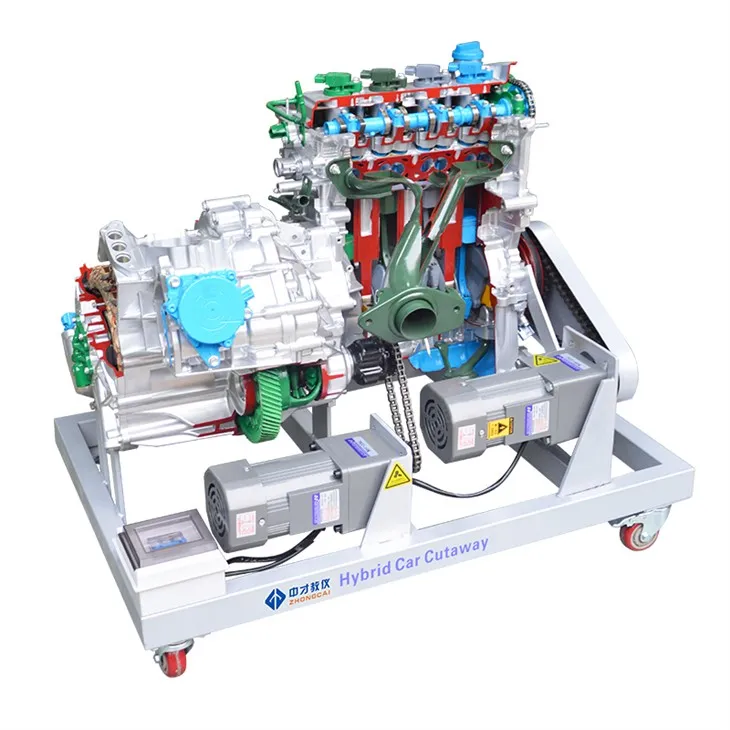
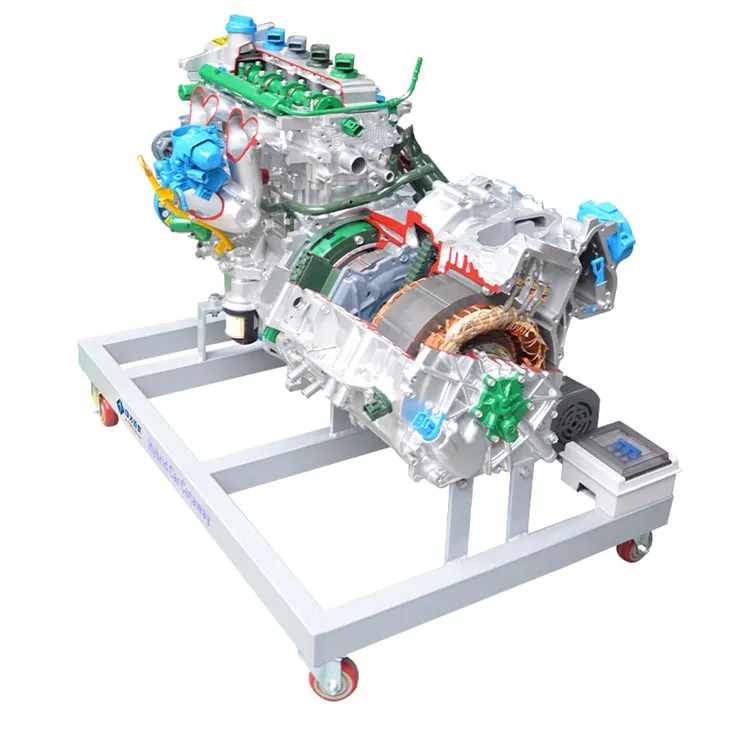
Before delving into their suitability for sports cars, let's first understand what hybrid cutaway engines are. A hybrid cutaway engine is a specialized type of engine that combines the features of hybrid technology with a cutaway design. Hybrid technology typically involves the integration of an internal combustion engine (ICE) and an electric motor, which work together to optimize power output and fuel efficiency. The cutaway design, on the other hand, allows for a clear view of the engine's internal components, making it an excellent educational tool as well as a unique engineering showcase.
Our company offers a range of hybrid cutaway engines, including those with advanced features such as the Immobilizer, Ignition Control System. This system enhances the security and performance of the engine, ensuring reliable starting and operation. Additionally, we provide Hybrid Cutaway Engine Display Stand, which not only showcases the engine's design but also provides a stable platform for testing and demonstration.
Advantages of Using Hybrid Cutaway Engines in Sports Cars
1. Performance Enhancement
One of the primary advantages of using a hybrid cutaway engine in a sports car is the potential for performance enhancement. The combination of an ICE and an electric motor can provide instant torque from the electric motor, which is crucial for quick acceleration. In a sports car, where rapid acceleration is a key performance metric, the electric motor can kick in immediately at low speeds, providing a significant boost to the overall power output.
For example, during a standing start, the electric motor can deliver maximum torque right from the start, allowing the sports car to accelerate faster than a traditional ICE - only sports car. As the speed increases, the ICE can take over or work in tandem with the electric motor to maintain high - speed performance. This dual - power system can result in a more responsive and powerful driving experience.
2. Fuel Efficiency
Sports cars are often associated with high fuel consumption due to their powerful engines. However, a hybrid cutaway engine can help address this issue. By using the electric motor for low - speed driving and during periods of light load, the ICE can be shut off or operate more efficiently. This reduces the overall fuel consumption of the sports car, making it more environmentally friendly and cost - effective to run.
In stop - and - go traffic, for instance, the electric motor can power the car, eliminating the need for the ICE to idle and waste fuel. When the driver needs more power, such as for overtaking or high - speed driving, the ICE can engage, providing the necessary power while still benefiting from the assistance of the electric motor.
3. Technological Innovation
Using a hybrid cutaway engine in a sports car showcases technological innovation. It demonstrates that sports cars can be both high - performance and environmentally conscious. This can attract a new generation of consumers who are interested in advanced technology and sustainable transportation.
The cutaway design of the engine also adds an element of visual appeal and educational value. It allows enthusiasts and potential buyers to see the inner workings of the engine, which can create a stronger connection between the driver and the car. This unique selling point can differentiate a sports car from its competitors in the market.
Challenges of Using Hybrid Cutaway Engines in Sports Cars
1. Weight
One of the main challenges of using a hybrid cutaway engine in a sports car is the additional weight. The electric motor, battery pack, and associated control systems add extra mass to the vehicle. In a sports car, where weight is a critical factor for performance, this additional weight can have a negative impact on acceleration, handling, and braking.
To mitigate this issue, manufacturers need to use lightweight materials for the engine components and the battery pack. Advanced composite materials and high - strength alloys can be used to reduce the weight of the hybrid system without sacrificing performance.
2. Cost
Hybrid technology is generally more expensive than traditional ICE technology. The cost of the electric motor, battery pack, and the complex control systems can significantly increase the price of the sports car. This can make the sports car less accessible to some consumers.
However, as the technology matures and economies of scale are achieved, the cost of hybrid systems is expected to decrease. Additionally, government incentives and subsidies for hybrid vehicles can help offset the higher cost for consumers.
3. Cooling and Packaging
The hybrid cutaway engine requires a more complex cooling system to manage the heat generated by the ICE, electric motor, and battery pack. This can pose challenges in terms of packaging the engine and the cooling components within the limited space of a sports car.
Engineers need to design a compact and efficient cooling system that can effectively dissipate heat without adding too much weight or taking up too much space. This requires innovative engineering solutions and careful integration of the components.
The Future of Hybrid Cutaway Engines in Sports Cars
Despite the challenges, the future looks promising for the use of hybrid cutaway engines in sports cars. As technology continues to advance, the performance and efficiency of hybrid systems are expected to improve. The development of more powerful and lightweight battery packs, such as solid - state batteries, can address the weight and cost issues associated with hybrid engines.
Automakers are also investing heavily in research and development to optimize the integration of hybrid systems in sports cars. They are working on improving the control algorithms to ensure seamless transition between the ICE and the electric motor, as well as enhancing the overall performance of the hybrid cutaway engine.
In the coming years, we can expect to see more sports cars equipped with hybrid cutaway engines. These cars will not only offer high - performance driving but also contribute to a more sustainable automotive future.
Conclusion
In conclusion, a hybrid cutaway engine can be used in a sports car, offering several advantages such as performance enhancement, fuel efficiency, and technological innovation. However, it also faces challenges such as weight, cost, and cooling and packaging issues. With the right engineering solutions and technological advancements, these challenges can be overcome.
As a supplier of hybrid cutaway engines, we are committed to providing high - quality products that meet the needs of the sports car industry. Our Hybrid Engine Cutaway Model is designed to offer the best combination of performance, efficiency, and visual appeal.
If you are interested in exploring the possibility of using our hybrid cutaway engines in your sports car project, we invite you to contact us for further discussion and procurement. We look forward to working with you to create the next generation of high - performance sports cars.
References
- Automotive Engineering Handbook, Society of Automotive Engineers (SAE)
- Hybrid and Electric Vehicle Technology, McGraw - Hill Education
- Journal of Power Sources, Elsevier


