

The learning curve for using an Automotive Power System Trainer is a multifaceted journey that encompasses a range of technical and practical skills. As a supplier of Automotive Power System Trainer, I've witnessed firsthand how this equipment can transform the learning experience for students and professionals alike. In this blog, I'll delve into the various aspects of the learning curve, from the initial introduction to the system to advanced proficiency.
Initial Familiarization
The first stage of the learning curve involves getting acquainted with the Automotive Power System Trainer itself. This includes understanding its physical components, such as the power supply, control panels, and various connectors. Students and trainees need to learn how to safely power on and off the system, as well as how to properly connect and disconnect electrical components.
One of the key challenges at this stage is learning the terminology associated with automotive power systems. Terms like voltage, current, resistance, and power are fundamental to understanding how the system works. Trainees need to be able to interpret electrical schematics and diagrams, which often use these terms in a technical context. To facilitate this learning process, our Automotive Power System Training Equipment comes with comprehensive user manuals and training materials that explain these concepts in a clear and accessible way.
Basic Operation and Troubleshooting
Once trainees have a basic understanding of the system's components and terminology, they can start learning how to operate the Automotive Power System Trainer. This involves performing simple tasks, such as measuring voltage and current, testing electrical circuits, and diagnosing common faults.
At this stage, hands-on experience is crucial. Trainees need to be able to apply the theoretical knowledge they've learned to real-world scenarios. Our Automotive Power System Training Equipment is designed to provide a safe and controlled environment for trainees to practice these skills. It allows them to make mistakes and learn from them without the risk of damaging expensive automotive components.
Troubleshooting is another important aspect of basic operation. Trainees need to learn how to identify and diagnose common faults in automotive power systems, such as short circuits, open circuits, and faulty components. This involves using diagnostic tools, such as multimeters and oscilloscopes, to test the electrical properties of the system. Our Automotive Trainer System Model is equipped with built-in fault insertion capabilities, which allow instructors to simulate common faults and challenge trainees to diagnose and repair them.
Intermediate Skills and System Integration
As trainees become more proficient in basic operation and troubleshooting, they can start learning more advanced skills. This includes understanding the principles of system integration, such as how different components of an automotive power system work together to achieve a common goal.
Intermediate skills also involve learning how to program and configure the Automotive Power System Trainer to perform specific tasks. This may include setting up control algorithms, adjusting system parameters, and implementing safety features. Our Automotive Power System Training Equipment is designed to be flexible and customizable, allowing trainees to explore different programming options and experiment with system configurations.
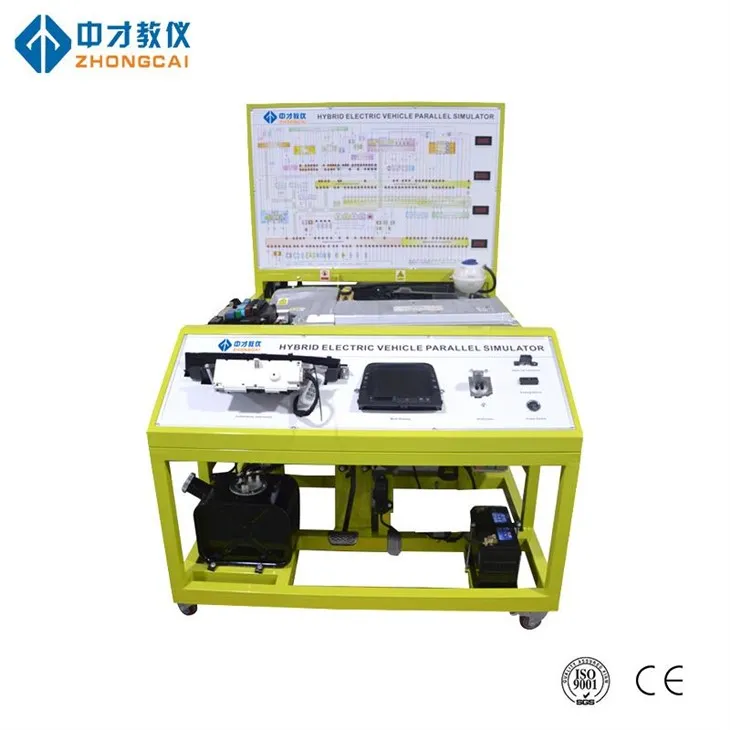
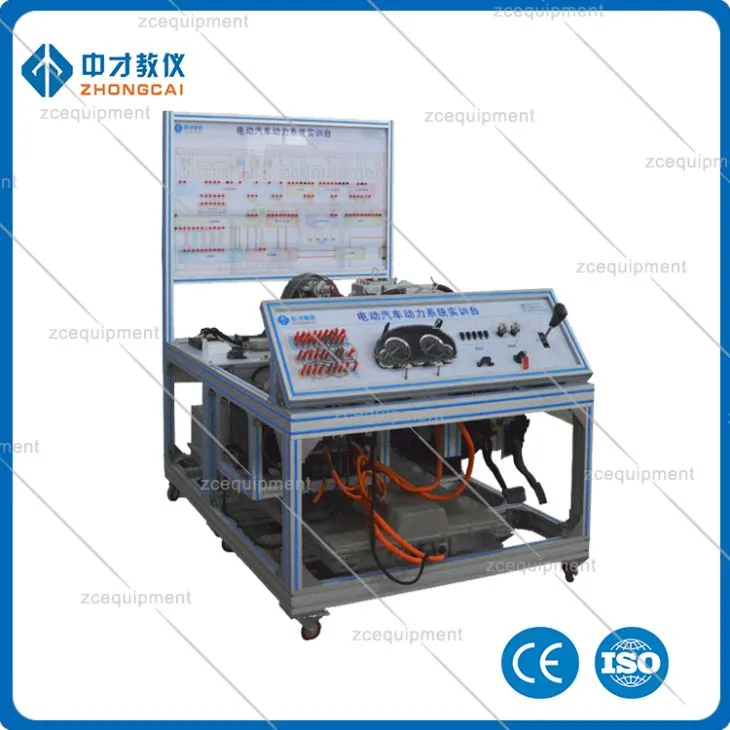
Another important aspect of intermediate skills is learning how to work with different types of automotive power systems, such as battery-powered systems, hybrid systems, and fuel cell systems. Each type of system has its own unique characteristics and challenges, and trainees need to be able to understand and work with them effectively. Our Automotive Trainer System Model is designed to support a wide range of automotive power systems, allowing trainees to gain hands-on experience with different technologies.
Advanced Proficiency and Specialization
The final stage of the learning curve involves achieving advanced proficiency in using the Automotive Power System Trainer. This includes being able to design, develop, and implement complex automotive power systems from scratch.
Advanced proficiency also involves specializing in a particular area of automotive power systems, such as electric vehicle technology, renewable energy integration, or advanced control systems. Trainees who achieve advanced proficiency are well-equipped to pursue careers in the automotive industry, where there is a growing demand for skilled professionals with expertise in these areas.
To support trainees in achieving advanced proficiency, our Automotive Power System Training Equipment is constantly updated with the latest technologies and features. We also offer advanced training courses and workshops that are designed to help trainees develop the skills and knowledge they need to succeed in the industry.
Factors Affecting the Learning Curve
The learning curve for using an Automotive Power System Trainer can vary depending on a number of factors. These include the trainee's prior knowledge and experience, the quality of the training materials and instruction, and the amount of time and effort the trainee is willing to invest in learning.
Trainees with a background in electrical engineering or automotive technology may find it easier to learn how to use the Automotive Power System Trainer than those with no prior experience. However, even trainees with no prior knowledge can achieve a high level of proficiency if they are willing to put in the time and effort to learn.
The quality of the training materials and instruction is also crucial. Our Automotive Power System Training Equipment comes with comprehensive user manuals and training materials that are designed to be easy to understand and follow. We also offer on-site training and support services to ensure that trainees have access to the resources they need to succeed.
Finally, the amount of time and effort the trainee is willing to invest in learning is a key factor in determining the length of the learning curve. Trainees who are committed to learning and who are willing to practice regularly are more likely to achieve advanced proficiency in a shorter period of time.
Conclusion
The learning curve for using an Automotive Power System Trainer is a challenging but rewarding journey. By providing trainees with a comprehensive understanding of automotive power systems and the skills and knowledge they need to work with them, our Automotive Power System Training Equipment can help them achieve their career goals in the automotive industry.
If you're interested in learning more about our Automotive Power System Trainer or our other training equipment, please don't hesitate to contact us. We'd be happy to discuss your training needs and help you find the right solution for your organization.
References
- Automotive Electrical and Electronic Systems, Third Edition by William H. Crouse and Donald L. Anglin
- Electric and Hybrid Vehicles: Design Fundamentals by James Larminie and John Lowry
- Automotive Power Electronics: A Systems Approach by Ali Emadi


